
A crane brake inspection procedure is one of the most critical steps in keeping a crane safe and operational. Brakes are what hold a suspended load in place when the hoist motor stops. If they slip, wear unevenly, or fail entirely, the results can be catastrophic. Every crane operator, inspector, and safety manager needs to understand how brakes are tested, what failure looks like, and when replacement is the only responsible option.
This guide walks you through the full inspection process, from visual checks to live load tests. It also covers the warning signs that tell you a brake is on its way out, along with the OSHA-aligned standards that govern when a crane must be pulled from service. Whether you run overhead bridge cranes, hoists, or mobile equipment, these procedures apply directly to your operation.
Ready to learn more? Explore our professional crane inspection services to schedule a certified assessment for your equipment.
Understanding How Crane Brakes Work
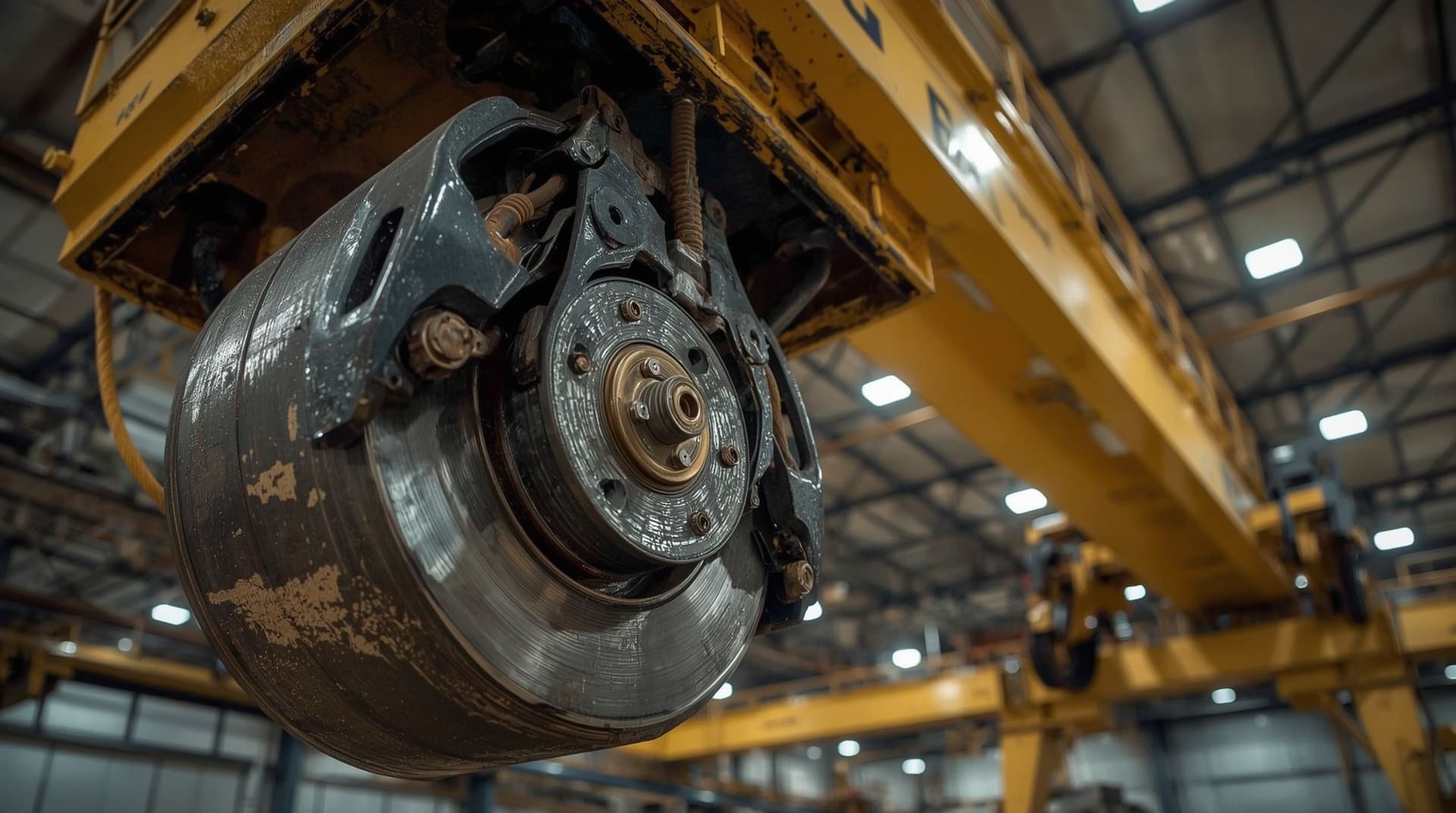
Crane brakes are mechanical devices that stop and hold motion on a hoist drum, bridge drive, or trolley. Most crane hoists use a spring-applied, electrically released brake. This means the brake is engaged by spring pressure and only releases when electrical power is applied to lift or lower a load.
This fail-safe design is intentional. If power is lost, the brake clamps down automatically, holding the load in place. Understanding this mechanism helps inspectors know exactly what to look for when something goes wrong. A brake that does not hold under spring pressure is a brake that has already failed.
Pre-Inspection Requirements Before You Begin
Before starting a crane brake inspection procedure, you must meet several baseline requirements. OSHA 29 CFR 1910.179 and ASME B30.2 both require that inspections be performed by a qualified person, meaning someone with the knowledge and experience to identify unsafe conditions.
Preparation steps include the following:
- Lock out and tag out the crane per your facility’s energy control program
- Verify the load line has no load attached before beginning any manual checks
- Confirm the inspection area is clear of personnel below the crane path
- Gather your inspection documentation, including the crane’s last inspection report
- Have the proper personal protective equipment in place before accessing the bridge or hoist
Skipping any of these steps puts inspectors and workers at serious risk. Document each step as you go so there is a clear record of how the inspection was conducted.
The Visual Inspection Phase: What to Check First
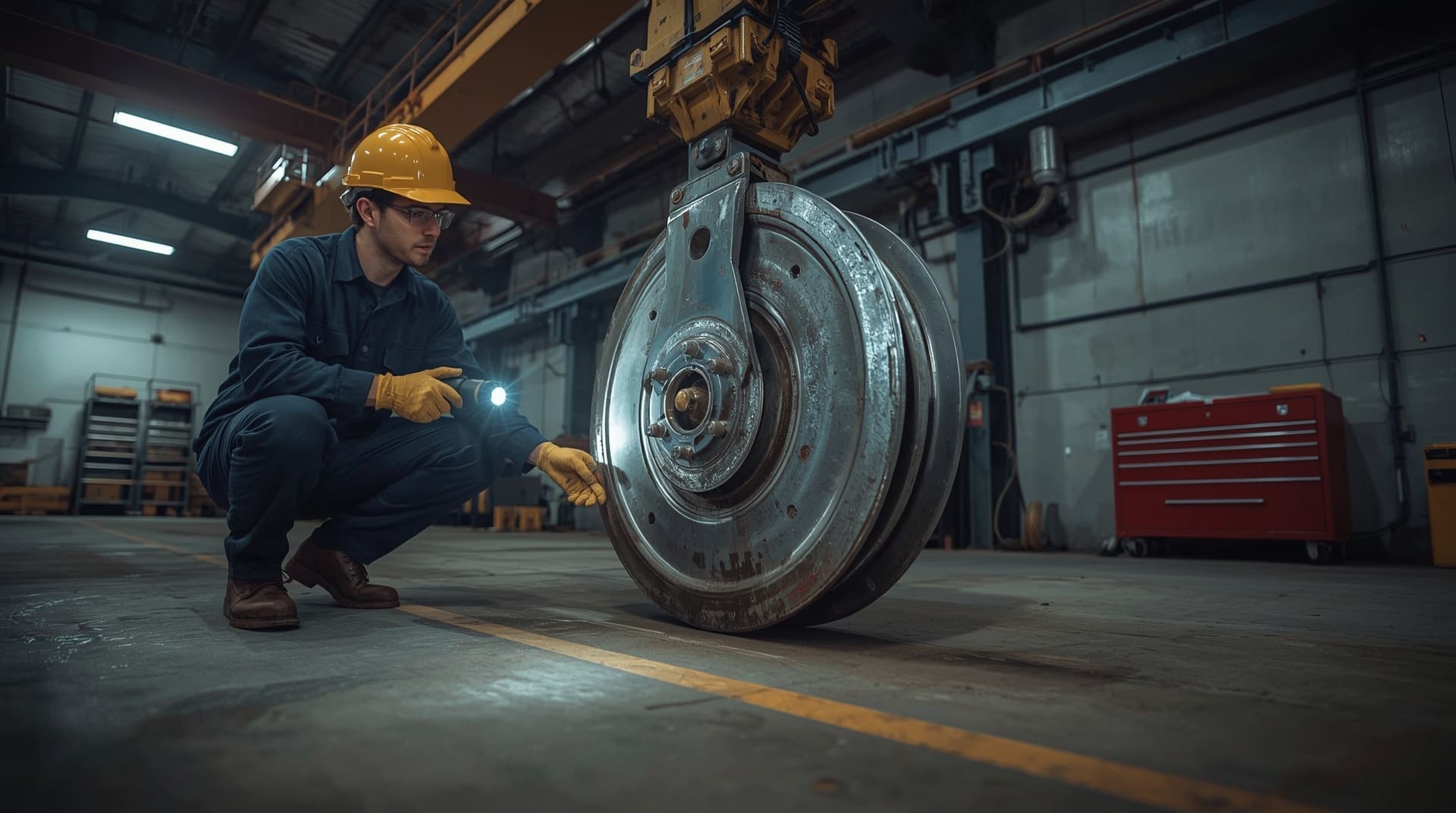
The visual phase of the crane brake inspection procedure happens before any live testing begins. Your goal here is to identify obvious mechanical problems that would affect brake performance or safety.
Key Visual Checks
- Brake lining thickness: Most manufacturers specify a minimum lining thickness. If the lining is worn to or below that minimum, it must be replaced before testing continues.
- Drum and disc surface condition: Look for scoring, grooves, heat cracks, or glazing. A glazed surface reduces friction and compromises holding power.
- Spring condition: Check for broken, corroded, or deformed springs. Springs are what apply the brake force, so any damage here is a direct safety concern.
- Air gaps and clearances: Verify the air gap between the armature plate and magnet is within the manufacturer’s specification. An incorrect air gap causes delayed or incomplete brake release.
- Contamination: Look for oil, grease, or hydraulic fluid on the brake lining or drum. Contamination drastically reduces braking torque and is a common cause of brake slip.
- Fastener tightness: Loose bolts on the brake assembly can cause misalignment and uneven wear over time.
| Visual Check Item | What to Look For | Action if Found |
|---|---|---|
| Brake lining | Worn below minimum thickness | Replace lining immediately |
| Drum/disc surface | Scoring, cracks, glazing | Machine or replace drum |
| Springs | Broken, corroded, deformed | Replace spring set |
| Air gap | Outside manufacturer spec | Adjust per manual |
| Contamination | Oil or grease on lining | Remove cause and replace lining |
Hoist Brake Testing: The Static and Dynamic Load Tests

Once the visual inspection is complete and no immediate defects are found, hoist brake testing moves into the operational phase. These tests verify that the brake can hold and control an actual load under real working conditions.
1. Static Load Hold Test
The static load hold test checks whether the brake can hold a rated load without any drift. To run this test, lift a load equal to 100% of the crane’s rated capacity. Suspend it at mid-height for a minimum of 10 minutes. Then observe whether the load moves. Any measurable drift or load creep during the hold period means the brake is not holding adequate torque.
Document the starting and ending position of the load line. Even small amounts of drift must be recorded and reported. ASME B30.2 makes clear that a brake showing drift under rated load must be taken out of service immediately.
2. Dynamic Brake Test
The dynamic test evaluates brake response during active hoisting operations. Raise a test load to a safe working height, then command a lower and immediately stop the hoist. The brake should engage quickly and hold the load without coasting or continued descent.
Watch for these specific responses during the dynamic test:
- Excessive coasting after the stop command is given
- Jerky or inconsistent engagement that suggests uneven lining contact
- Unusual noise such as grinding or squealing during brake engagement
- Load bouncing after the brake sets, which can indicate spring tension issues
3. No-Load Brake Check
Run the hoist through its full range of motion with no load attached. Observe the brake engagement and release cycle. The brake should release smoothly when the hoist is commanded and engage fully when the command stops. Sluggish release often points to a worn magnet coil or an air gap that is too large.
Recognizing Crane Brake Failure Signs During Operation
Crane brake failure signs do not always show up during a scheduled inspection. Operators need to recognize the warning signals that appear during normal daily operation. Catching these signs early prevents a minor brake issue from turning into a dropped load or a serious injury.
Common crane brake failure signs include the following:
- Load drift: A suspended load that slowly lowers on its own after the operator releases the control is the most direct sign of brake slip.
- Overheating: A brake that runs hot to the touch or produces a burning smell is experiencing excessive friction or slipping under load.
- Chattering or vibration: Vibration during brake engagement usually means the lining is worn unevenly or the drum surface is out of round.
- Longer stopping distance: If the crane or hoist takes more time or travel distance to stop than usual, braking torque has decreased.
- Visible wear debris: Brake dust or lining particles accumulating around the brake housing indicate accelerated wear.
- Electrical faults: On electrically released brakes, a coil that draws incorrect amperage or throws a fault code may fail to release or hold properly.
If any operator reports these signs during their pre-shift or post-shift check, the crane must be removed from service until a qualified person inspects the brake system.
Inspection Frequency Requirements by OSHA and ASME Standards
Both OSHA and ASME set clear requirements for how often crane brakes must be inspected. Understanding these intervals helps you build a compliant maintenance schedule.
OSHA 29 CFR 1910.179 divides inspections into two categories. Frequent inspections cover items that change quickly with use, including brake condition. These must be done daily or before each use for cranes in regular service. Periodic inspections cover deeper mechanical checks and are required monthly to annually depending on crane usage class.
ASME B30.2 provides more detail for overhead cranes. It classifies cranes by service class from H1 (standby) to H4 (heavy continuous use). Heavier service classes require more frequent brake inspections. A Class H4 crane used in continuous production may need brake checks every 250 operating hours, while a Class H1 standby crane may only require them annually.
Keep a written log of every inspection, including the date, inspector name, findings, and any corrective actions taken. This documentation protects your operation during audits and demonstrates compliance.
When to Replace Crane Brakes: Clear Decision Criteria

Knowing when to replace versus when to adjust is one of the most practical skills in crane maintenance. Not every worn brake needs immediate replacement, but some conditions require it without exception.
Replace the brake lining or full brake assembly when any of the following conditions exist:
- Lining thickness is at or below the manufacturer’s minimum specification
- The lining or drum shows cracks, deep scoring, or heat damage
- Oil or grease contamination has soaked into the lining material
- The brake fails the static load hold test with any measurable drift
- Springs are broken, set, or no longer meet the required compression spec
- Coil resistance or amperage draw is outside the manufacturer’s published range
- Repeated adjustments no longer restore proper holding torque
Adjustment is acceptable when the air gap is slightly out of spec but all other components are in good condition. However, adjustments are a short-term fix. If you are adjusting the same brake repeatedly, the underlying components are wearing out and replacement is the correct long-term decision.
Documenting Crane Brake Inspections Properly
Documentation is not optional. OSHA and ASME both require written records of crane inspections, and brake inspections are specifically included. A proper inspection record should capture the following details:
- Crane identification number, type, and location
- Date and time of inspection
- Name and qualifications of the inspector
- Inspection type performed (frequent or periodic)
- Condition of each brake component inspected
- Results of any load tests performed
- Deficiencies found and corrective actions taken or recommended
- Date and signature of the qualified person completing the report
Store inspection records in a location that is accessible to operators, safety personnel, and OSHA compliance officers. Many facilities in North Carolina and across the country now use digital maintenance platforms to store and retrieve these records quickly during audits.
Final Thoughts on Crane Brake Inspection Procedures
A thorough crane brake inspection procedure protects lives, equipment, and operations. From the visual phase through static and dynamic load testing, each step builds a clear picture of brake health. Operators and inspectors who understand hoist brake testing and recognize crane brake failure signs early are the first line of defense against preventable accidents.
Do not treat brake inspection as a checkbox task. Treat it as a system-level safety review that directly affects everyone working in or around your crane’s operating area. Schedule your inspections on time, document every finding, and replace components before they reach the point of failure. That approach is what separates a safe operation from a dangerous one.
Frequently Asked Questions About Crane Brake Inspection Procedures
How often should crane brakes be inspected?
OSHA requires frequent inspections of crane brakes daily or before each use for cranes in regular service. Periodic inspections, which are more detailed, are required monthly to annually based on how heavily the crane is used. ASME B30.2 ties inspection frequency to the crane’s service class, with heavier-use cranes requiring more frequent checks.
What is a static load hold test for crane brakes?
A static load hold test lifts a load equal to the crane’s rated capacity and suspends it at mid-height for at least 10 minutes. The inspector watches for any load drift or downward movement. Any measurable drift during the test means the brake is not holding adequate torque and the crane must be taken out of service immediately.
Can a contaminated brake lining be cleaned and reused?
No. Once oil or grease soaks into a brake lining, the material cannot be fully cleaned or restored. Contaminated linings must be replaced. Simply wiping the surface does not remove contamination from inside the lining material, and the brake will continue to slip under load.
What are the most common crane brake failure signs an operator should know?
The most common signs include load drift after the hoist stops, a burning smell near the brake, unusual vibration or chattering during engagement, and a longer-than-normal stopping distance. Operators should report any of these signs immediately and remove the crane from service until a qualified inspector evaluates the brake system.
Who is qualified to perform a crane brake inspection?
OSHA defines a qualified person as someone with recognized training, credentials, and experience to identify hazardous conditions. For crane brakes, this typically means a trained crane inspector, a certified crane technician, or a professional who meets the criteria outlined in ASME B30.2. Using an unqualified person for brake inspections violates OSHA standards and creates serious liability.