
Two of the most misunderstood titles in crane and rigging safety are “qualified rigger” and “competent person.” Both appear in OSHA standards, both carry real safety responsibilities, and yet they are not the same thing. Confusing them can put workers at risk and expose your company to serious citations.
This guide breaks down exactly what each role means under OSHA, how they differ, where they overlap, and what your team needs to stay compliant on any lifting operation in North Carolina or anywhere else in the country.
Ready to learn more? Explore our full range of individual training programs to get your team properly credentialed for rigging and crane safety roles.
Defining the Competent Person Under OSHA

OSHA defines a competent person as someone who can identify existing and predictable hazards in the workplace and has the authority to take prompt corrective action to eliminate them. That definition comes from 29 CFR 1926.32(f) and applies broadly across construction standards, not just crane work.
The key word is “authority.” A competent person is not just someone who knows about hazards. They must have the power to stop work or correct a problem right then and there, without waiting for manager approval. If a worker can spot a problem but cannot act on it, they do not meet the OSHA definition.
Knowledge alone is not enough either. The osha competent person standard requires that the individual be capable of identifying hazards through training, experience, or both. OSHA does not specify a required number of training hours or a formal certification exam for this role. The employer makes the designation based on demonstrated ability.
What Makes Someone a Qualified Rigger
A qualified rigger is a worker who, by possession of a recognized degree, certificate, or extensive practical experience, has successfully demonstrated the ability to solve or resolve problems related to rigging loads. This definition comes from OSHA 29 CFR 1926.1401 and applies specifically to crane and derrick operations in construction.
Unlike the broader competent person role, the qualified rigger designation is tied directly to a specific task: attaching and detaching rigging on loads that will be hoisted by a crane. OSHA requires a qualified rigger to be present during those activities whenever the materials being handled are not in an approved container or are not secured to a pallet.
Qualification can come from formal education, hands-on experience, or a third-party certification. There is no single approved credential, but rigger certifications from accredited bodies like NCCCO are widely accepted as evidence of qualification. When you review qualified rigger requirements, you will find that the focus is always on demonstrated ability with specific rigging hardware and load types.
Competent vs Qualified: How the Standards Compare
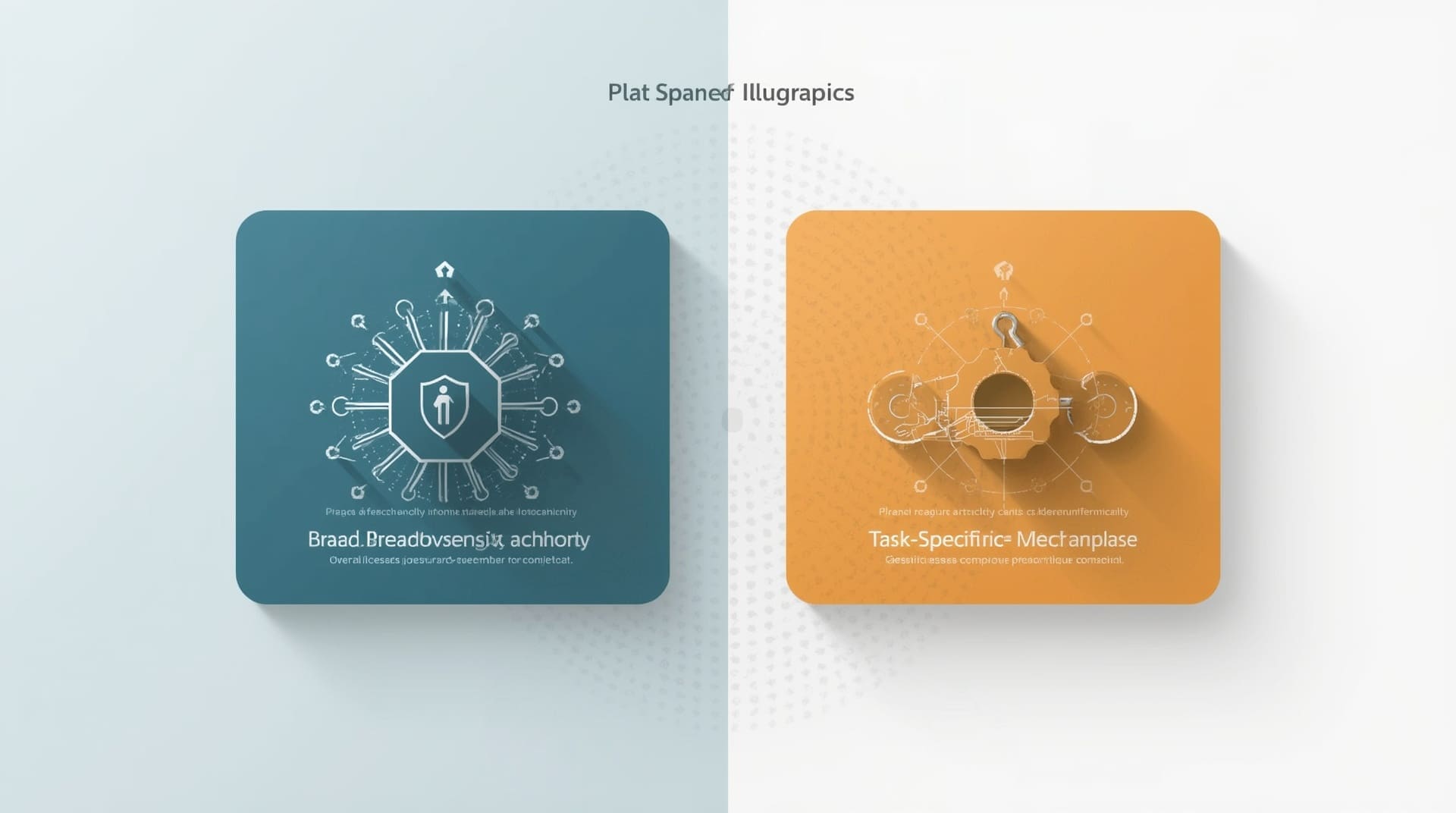
Understanding competent vs qualified is easier when you look at the two side by side. Both roles require knowledge and demonstrated ability, but the scope and authority attached to each are different.
| Factor | Competent Person | Qualified Rigger |
|---|---|---|
| OSHA Source | 29 CFR 1926.32(f) | 29 CFR 1926.1401 |
| Scope | Broad, all construction hazards | Specific to rigging and hoisting tasks |
| Authority Required | Yes, must stop or correct work | Not required by definition |
| How Designated | Employer designates | Demonstrated knowledge or certification |
| Third-Party Cert Required | No | Not required but strongly supported |
| Primary Trigger | Hazard identification and correction | Attaching or detaching rigging on hoisted loads |
The most critical difference is authority. A competent person must be empowered to stop unsafe work instantly. A qualified rigger must have the knowledge to perform rigging tasks safely, but the “stop work” authority comes separately from their job role or site rules, not from the OSHA qualified rigger definition itself.
When OSHA Requires Each Role on a Crane Job
OSHA’s Subpart CC, which governs cranes and derricks in construction, spells out exactly when each role must be present. Knowing the trigger points helps you staff a lift correctly before the crane ever leaves the ground.
Competent Person Triggers in Subpart CC
Under Subpart CC, a competent person must conduct equipment inspections before each shift, assess ground conditions before a lift, review the work area for power lines and other hazards, and oversee assembly and disassembly of cranes. The competent person is the safety watchdog for the entire operation, not just the rigging portion.
Qualified Rigger Triggers in Subpart CC
A qualified rigger must be present whenever a worker is within the fall zone of a load being hoisted and the load is not in an approved container. The qualified rigger is also required any time rigging is being attached or detached from a crane hook. Their job is specifically about controlling the rigging hardware and the load behavior, not the broader site hazards.
Can One Person Hold Both Roles
Yes, a single worker can serve as both the competent person and the qualified rigger on the same job, provided they meet the requirements for each role independently. Many experienced rigging supervisors in Cary, North Carolina and across the region hold both designations and perform both functions on smaller crews.
However, fulfilling both roles simultaneously during an active lift is demanding. If you are supervising ground conditions, power line clearances, and rigging hardware all at once, the cognitive load is significant. Larger operations often benefit from splitting the roles between two experienced workers so neither responsibility gets shortchanged during a critical pick.
The employer bears responsibility for making sure both sets of duties are actually being performed, whether by one person or two. Simply giving someone a title without verifying their competence puts the company at risk of an OSHA citation if something goes wrong.
How Each Role Approaches Hazard Identification
Both roles involve recognizing hazards, but the scope of what they look for is different. Understanding this distinction helps you assign the right person to the right responsibility.
Competent Person Hazard Scope
The competent person looks at the whole site environment. They evaluate soil stability, overhead obstacles, proximity to power lines, weather conditions, and equipment condition. They are thinking about whether it is safe to even begin the operation. OSHA requires a competent person to perform pre-shift inspections on cranes and to document findings that affect safe operation.
Qualified Rigger Hazard Scope
The qualified rigger focuses on the load itself and the hardware used to move it. They evaluate sling angles, load weight and center of gravity, rigging hardware condition, and attachment points. When a rigger calculates whether a two-leg bridle sling is rated for the load at a given angle, that is the qualified rigger function in action.
Training Paths for Qualified Riggers and Competent Persons
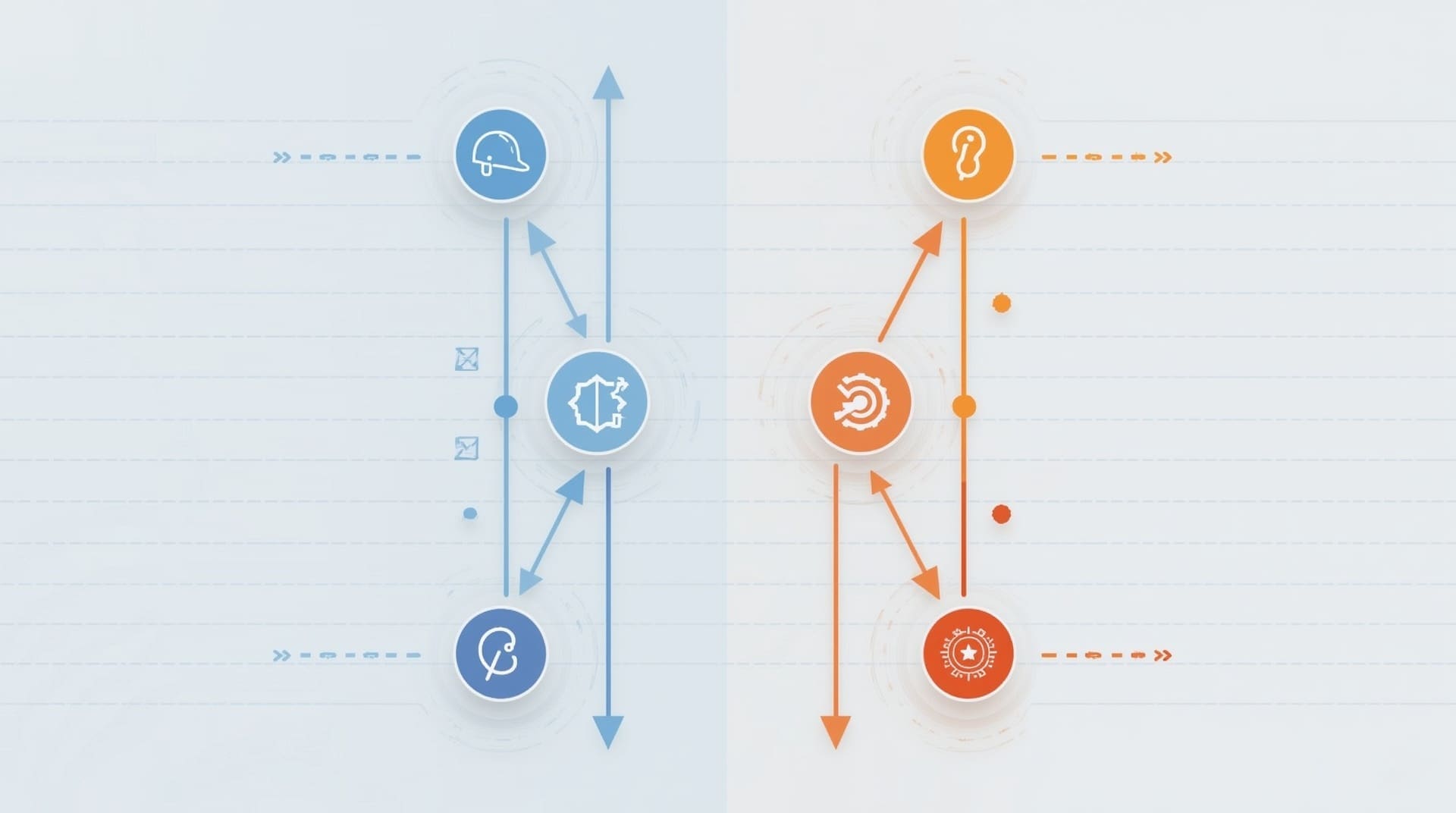
The training path for each role reflects the nature of its responsibilities. Neither role has a single mandatory curriculum under OSHA, but structured training dramatically reduces risk and makes the employer’s designation defensible in an inspection.
Rigger Level I and Level II Training
Most riggers start with a structured course that covers load weight calculations, sling types, hardware inspection, and rigging configurations. Rigger Level I training covers fundamental tasks with basic rigging equipment. Rigger Level II training builds on that foundation with more complex multi-leg rigging, load balancing, and advanced hardware. Completing both levels and earning a third-party certification gives employers strong documentation of qualification.
Competent Person Training
Competent person training typically covers hazard recognition across all phases of a crane operation, pre-use inspection procedures, ground and environmental assessment, and corrective action authority. Some training programs combine competent person content with rigging fundamentals so that experienced workers can develop both competencies at once. The goal is always to produce someone who can both spot the hazard and act on it immediately.
Employer Responsibilities for Both Roles
OSHA places the burden of role designation squarely on the employer. You cannot simply tell a worker they are the competent person or the qualified rigger on day one and walk away. The employer must verify that the person designated actually has the knowledge, training, and experience the role requires.
For the competent person, that means confirming they understand the specific hazards present on your jobsite, not just hazards in general. For the qualified rigger, it means confirming they have worked with the specific types of rigging hardware and load configurations your project involves. A rigger qualified for basic steel beam picks may not yet be qualified for specialized lifts involving irregular loads or complex multi-crane operations.
Keeping records of training completion, certifications, and practical evaluations protects you in the event of an OSHA inspection. Inspectors will ask to see documentation. Having none, even if your workers are genuinely skilled, creates unnecessary exposure.
Common Mistakes That Create Compliance Gaps
Even experienced contractors make mistakes when assigning these roles. Recognizing the most common ones helps you avoid them before an inspector or an incident forces the issue.
- Designating by title, not by ability: Giving the foreman the competent person title because of their position, not their verified knowledge, is a frequent mistake. OSHA cares about actual competence, not job titles.
- Assuming a rigging certification covers the competent person role: A qualified rigger certification does not automatically make someone a competent person. The two designations have different requirements.
- Not granting stop-work authority: If a designated competent person reports a hazard and a supervisor overrules them without correcting the problem, the designation is not functioning as OSHA intends.
- Failing to update designations after scope changes: If your project adds a new crane type or new load configurations, verify that your designated workers are still qualified for the new conditions.
- Skipping documentation: Verbal designations with no written records are difficult to defend. Even a simple form noting the date, person, and basis for designation adds meaningful protection.
How Rigging Certifications Support Both Designations
Third-party rigging certifications do not automatically satisfy either OSHA role on their own, but they provide strong evidence that a worker has the foundational knowledge each role requires. Employers who use certified workers as their competent persons and qualified riggers are in a much stronger position during an OSHA inspection than those relying on informal experience alone.
Certifications also give workers a clear learning path. A worker who understands what is a qualified rigger under OSHA and pursues formal certification builds the documented skill set that employers can point to with confidence. Programs that align with NCCCO or similar accredited bodies carry the most weight with inspectors and clients alike.
Beyond compliance, certified workers tend to perform rigging tasks more consistently and safely. That consistency reduces near-misses, equipment damage, and the kind of incidents that lead to OSHA investigations in the first place.
Final Thoughts on the Qualified Rigger vs Competent Person Distinction
The qualified rigger and the competent person are distinct roles with distinct OSHA requirements. The competent person has broad hazard authority across the entire site and must be empowered to act. The qualified rigger has deep task-specific knowledge focused on rigging hardware and load control. Both are essential to a safe lifting operation, and both require more than just a title.
Whether you are staffing a single crane job in Cary or building out a full rigging team, getting these designations right protects your workers, your company, and your compliance record. Investing in proper training and credentialing for both roles is one of the most direct ways to reduce risk and run a safer, more professional operation.
Frequently Asked Questions About the Competent Person Role
Does OSHA require a written designation for a competent person?
OSHA does not explicitly require a written designation, but documenting it is strongly recommended. Written records show inspectors that your employer made a deliberate, informed decision to assign the role. They also help if a designation is ever disputed after an incident.
Can a crane operator also be the competent person on a job?
Yes, a crane operator can hold the competent person designation if they meet the OSHA requirements, including hazard recognition ability and stop-work authority. However, managing an active crane operation and simultaneously monitoring all site hazards is a significant challenge. Many employers choose a separate individual for larger or more complex jobs.
Is a rigger certification the same as being a qualified rigger under OSHA?
Not exactly. A certification from an accredited body is strong evidence of qualification, but OSHA defines a qualified rigger based on demonstrated ability, which can also come from experience. The certification supports the designation and makes it much easier to defend, but the employer still makes the final call on who is designated as qualified for a specific task.
How often should competent person and qualified rigger designations be reviewed?
Designations should be reviewed any time project conditions change significantly, such as when new crane types are introduced, load configurations change, or workers are reassigned. At a minimum, reviewing designations at the start of each major project phase is good practice. There is no fixed OSHA-mandated interval for re-evaluation.
What is the penalty for not having a competent person or qualified rigger on site?
OSHA can issue serious or willful citations for failing to have these roles filled correctly. Serious citations can reach up to $16,550 per violation under current federal penalty schedules, and willful violations can be significantly higher. Beyond the financial risk, an unqualified designation that contributes to an injury creates significant legal exposure for the employer.