
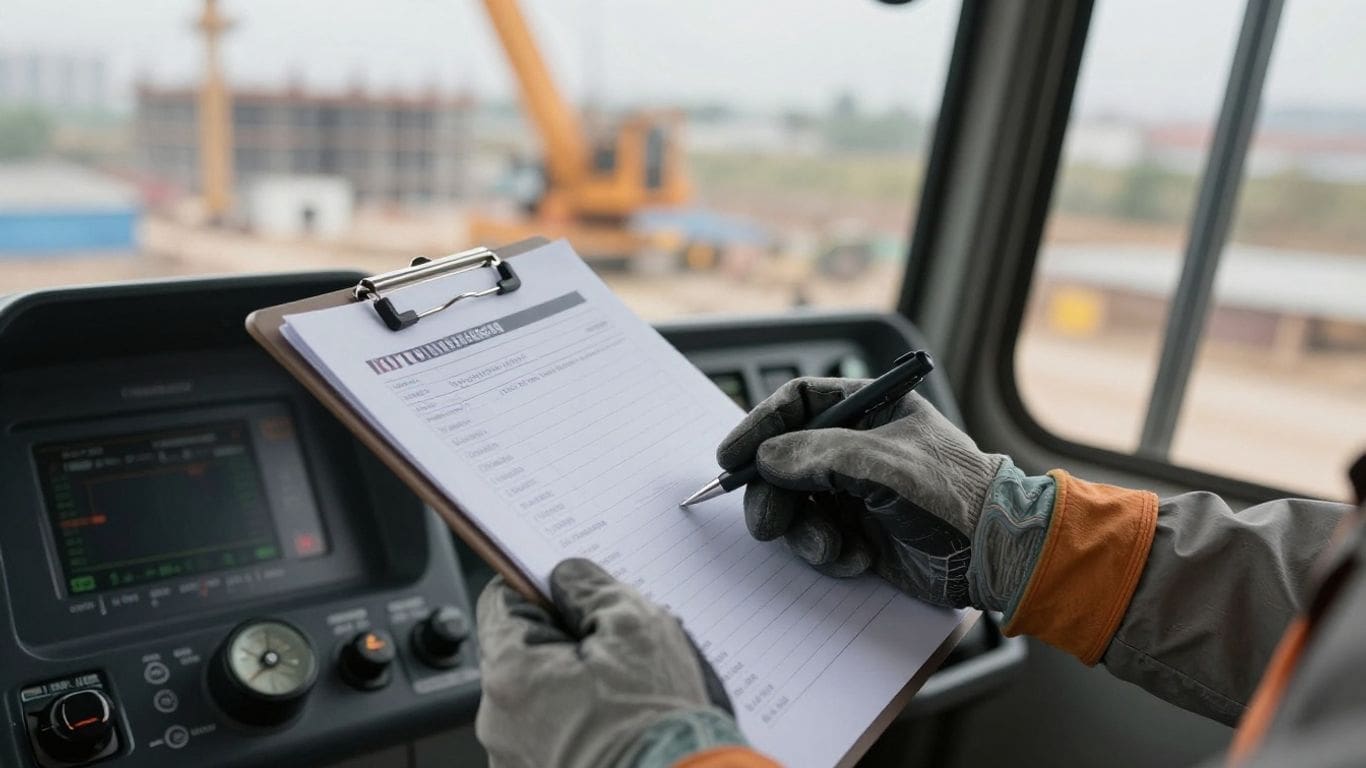
Getting a crane ready for the day’s work isn’t just about showing up and starting the engine. There’s a whole process to go through to make sure everything is safe and sound. This means doing a daily crane inspection checklist, and it’s not something you want to rush or skip. Think of it like checking your car before a long road trip, but way more important. We’re talking about heavy machinery here, and a small oversight could lead to big problems. This guide will walk you through what you need to look for and why it matters, so everyone goes home safe.
Key Takeaways
- A daily crane inspection checklist is your go-to tool for spotting potential issues before they cause trouble.
- Always check the crane’s exterior, including structural parts, and make sure hydraulic systems are good.
- Don’t forget to inspect critical gear like hooks, slings, and any rigging you’ll be using.
- Test out the controls, levers, and safety devices to confirm they’re working as they should.
- Always do your checks in good light and use all your senses to catch anything out of the ordinary.
The Foundation Of A Safe Lift: Your Daily Crane Inspection Checklist
Understanding The Critical Role Of Daily Checks
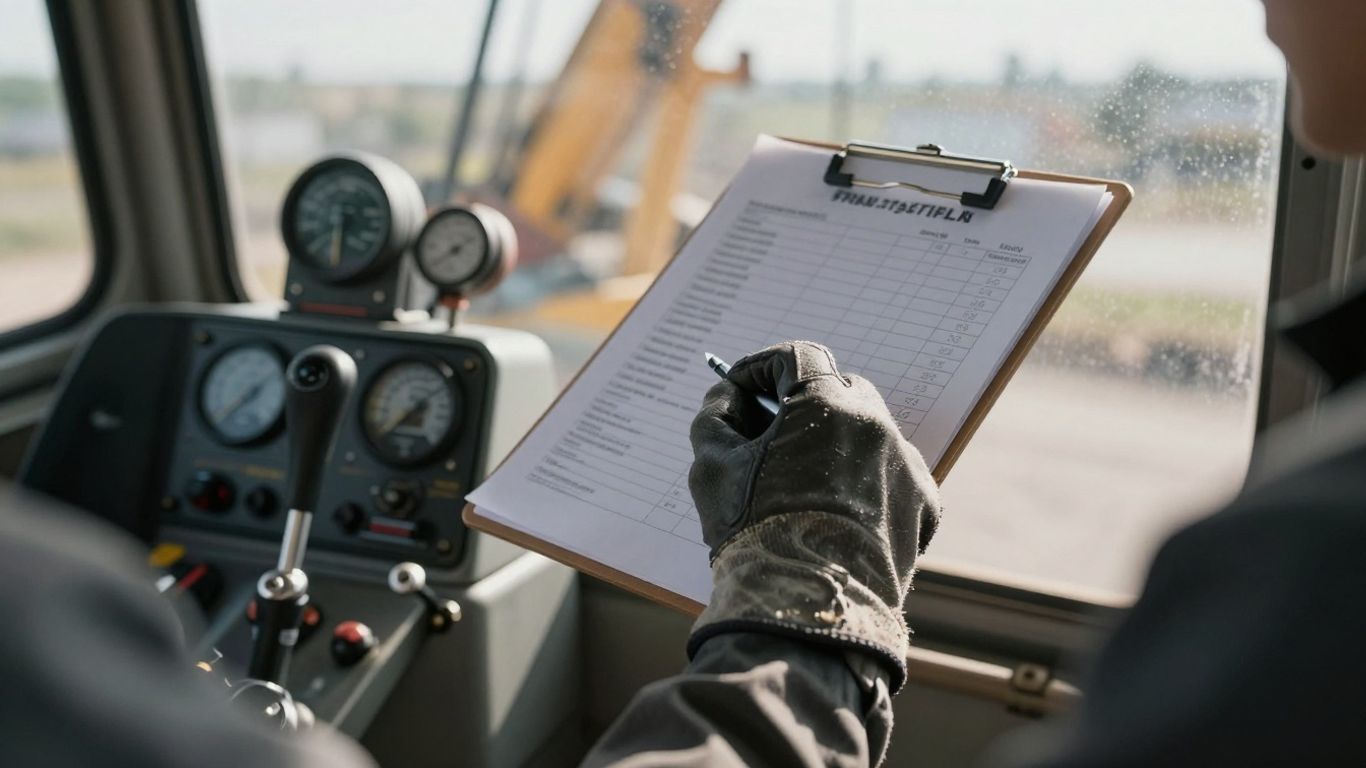
Think of your daily crane inspection like a quick check-up before a big game. You wouldn’t send an athlete out without making sure they’re ready, right? The same goes for cranes. These machines are powerful, and when they’re lifting heavy loads, even small issues can turn into big problems, fast. A daily check isn’t just a formality; it’s your first line of defense against accidents. It’s about spotting anything that looks off before it causes trouble.
Why A Checklist Is Your Best Friend
Trying to remember everything you need to check on a crane can be a lot. That’s where a checklist comes in handy. It’s like a map that guides you through the whole process, making sure you don’t miss any important spots. Using a checklist means you’re consistent every single time. It helps you keep track of what you’ve looked at and what needs attention. Plus, it’s a great way to show that you’re taking safety seriously.
Here’s a quick look at what a daily checklist helps you cover:
- Visual Checks: Looking over the crane’s exterior, hydraulics, and rigging.
- Operational Tests: Making sure controls, safety devices, and indicators work.
- Area Assessment: Checking the ground, surroundings, and weather.
- Documentation: Noting down your findings.
Regulatory Requirements For Daily Inspections
You’ve got rules to follow, and that’s a good thing. Organizations like OSHA have specific guidelines for crane inspections. These rules are there to keep everyone safe. They often require what’s called a "frequent inspection," which usually means a daily check by a competent person. This isn’t just about avoiding fines; it’s about making sure the crane is actually safe to operate. Always check the latest regulations for your specific area and crane type.
Skipping a daily inspection is like playing with fire. You might get away with it once, but eventually, something’s going to get burned. It’s better to be safe than sorry, every single time.
Regular inspections are a key part of keeping your crane in good shape and your worksite accident-free. It’s a habit that pays off big time in the long run.
Visual Inspection: What To Look For
Before you even think about starting the engine, a good old-fashioned look-over is your first line of defense. This isn’t just about ticking boxes; it’s about spotting trouble before it becomes a disaster. Think of yourself as a detective, looking for clues that something isn’t quite right.
Exterior Condition and Structural Integrity
Start with the big picture. Walk around the crane and give it a thorough once-over. Look for anything that seems out of place. Are there any obvious cracks, especially around welds or areas that look like they take a lot of stress? Even small hairline cracks can be a big deal. Check for corrosion, too. Sometimes rust can hide under chipped paint, and even surface rust can weaken the metal over time. Keep an eye out for dents or deep scratches, especially on the boom. These aren’t just cosmetic issues; they can create weak spots.
Also, look for any bending or deformation. If a part of the crane doesn’t look straight or has changed shape, that’s a serious warning sign. And don’t forget to check for signs of heat damage, like discolored paint or warped metal. This could mean the crane was exposed to fire or electrical issues, which can change how the metal behaves.
Hydraulic Systems and Fluid Levels
Hydraulics are the muscles of the crane, so they need to be in good shape. Look for any signs of leaks around hoses, cylinders, and connections. Even a small drip can mean a bigger problem is brewing. Check the fluid levels too. Low fluid can mean a leak or that the system isn’t working right. If you see any leaks, it needs to be addressed right away. It’s also a good idea to check the condition of the hoses themselves – look for any cuts, chafing, or wear.
Hooks, Slings, and Rigging Gear
This is where the load actually connects, so it’s super important. Give the hook a good look. Are there any cracks, nicks, or gouges? Has the opening of the hook widened, meaning it’s been bent or stressed? Make sure the safety latch is there and that it moves freely and closes properly. If the latch is stuck or missing, that’s a big no-go.
Now, check out the slings and any other rigging gear you’ll be using. Look for cuts, tears, fraying, or any signs of wear. If you’re using wire rope slings, check for broken wires or kinks. For synthetic slings, look for any damage to the fabric. Make sure all slings have clear, readable tags showing their weight capacity. If anything looks questionable, don’t use it.
A quick visual check can catch problems that could lead to serious accidents. Don’t skip this part, and if you see something wrong, stop and report it. It’s better to be safe than sorry.
Operational Checks: Ensuring Functionality
After you’ve given the crane a good once-over visually, it’s time to see if everything actually works the way it’s supposed to. This is where you get hands-on and test the crane’s systems to make sure they’re responsive and safe.
Controls, Levers, And Pedals
Start by checking all the controls. This includes the main hoist, trolley movement, and bridge travel levers. Make sure they move smoothly and return to their neutral position when released. Test any foot pedals, like those for the hoist or bridge, to confirm they operate correctly and aren’t sticking. You want to feel a positive engagement with each control. If anything feels loose, stiff, or doesn’t move freely, that’s a red flag.
Safety Devices And Alarms
This is a big one. Cranes are equipped with various safety features designed to prevent accidents. Test the horn or audible warning device to make sure it’s loud enough to be heard. Check any visual alarms, like flashing lights, to confirm they’re working. If your crane has limit switches for the hoist or travel, test them to see if they stop the crane’s motion at the designated points. Don’t forget to check emergency stop buttons – press them to ensure they immediately cut power to the crane.
Never assume a safety device is working. Always test it yourself as part of your daily routine. It’s better to find a problem during a pre-use check than during an actual lift.
Load Indicators And Limit Switches
Pay close attention to the load indicator. Does it show a reading? Does it seem accurate? If it’s displaying an overload warning, test that function to see if it activates at the correct weight. Limit switches are also critical. For the hoist, these prevent the hook from going too high or too low. For travel, they stop the bridge and trolley before they hit the end stops. Make sure these are functioning correctly. A malfunctioning limit switch can lead to serious damage or injury. You can find more information on pre-use inspections at this crane safety resource.
Here’s a quick rundown of what to test:
- Hoist Up/Down: Check for smooth operation and proper stopping.
- Trolley In/Out: Ensure directional control and smooth movement.
- Bridge Left/Right: Verify responsiveness and consistent speed.
- Horn/Alarm: Confirm audibility and functionality.
- Limit Switches: Test to verify they stop motion at set points.
- Emergency Stop: Confirm immediate power cut-off.
Environmental And Site Assessment
Beyond the crane itself, the area where it operates plays a huge role in safety. You’ve got to look around, not just at the machine. Think of it like checking the weather before a picnic – you wouldn’t want to set up if a storm was rolling in, right? The same goes for crane work.
Operating Area Hazards
Before you even think about lifting, take a good look at the space. Are there overhead power lines? What about underground utilities that you can’t see? Are there other workers or vehicles moving around the area? You need to know what’s going on all around the crane’s swing radius. It’s about spotting anything that could get in the way or cause a problem.
- Overhead Obstructions: Power lines, building structures, other equipment.
- Ground-Level Obstacles: Stored materials, temporary structures, uneven surfaces.
- Personnel and Traffic: Identify zones where people or vehicles shouldn’t be.
Ground Conditions And Stability
Cranes need a solid base. If the ground is soft, uneven, or has been recently disturbed, it might not be able to support the crane’s weight, especially when it’s under load. This can lead to the crane shifting, tilting, or even tipping over. Always check the ground where the crane will be set up and where its outriggers will rest.
- Soil Type: Is it clay, sand, rock? Some soils are more prone to shifting.
- Recent Excavation or Fill: Areas that have been dug up or filled might not be stable.
- Water Content: Saturated ground is less stable.
The ground beneath the crane is just as important as the crane itself. A stable foundation prevents unexpected movement and potential accidents.
Weather Considerations
Weather can change fast, and it can seriously impact crane operations. High winds are a big one – they can push the load or the boom, making it hard to control. Heavy rain can make the ground slippery and reduce visibility. Even extreme heat or cold can affect the crane’s systems. Always check the forecast and be ready to stop work if conditions become unsafe.
- Wind Speed: Know the crane’s wind limits and monitor conditions.
- Precipitation: Rain, snow, or ice can affect ground stability and visibility.
- Temperature Extremes: Very hot or cold weather can impact hydraulics and materials.
Operator Readiness And Documentation
Before the crane even lifts a single load, two things need to be absolutely solid: the operator’s preparedness and the paperwork. It’s not just about having someone who can operate the machine; it’s about having someone who should operate it, and having all the records to prove it.
Operator Competency And Training
An operator’s skill set is the first line of defense. Are they properly trained for the specific type of crane they’re using? Do they have the necessary certifications? Regular training isn’t just a good idea; it’s a requirement for keeping skills sharp and staying up-to-date with safety protocols. Think of it like a pilot needing recurrent training – the stakes are just as high.
- Verify current certifications and licenses.
- Confirm training records are up-to-date for the specific crane model.
- Assess operator’s familiarity with emergency procedures.
Load Charts And Capacity Compliance
Every crane has its limits, and these are clearly laid out in the load charts. Operators must understand these charts inside and out. Misinterpreting a load chart is a fast track to an accident. It’s vital that the operator can quickly and accurately determine the crane’s capacity for any given lift, considering factors like boom length, angle, and radius. This knowledge is a key part of operator training.
Importance Of Thorough Record-Keeping
Documentation is your safety net and your proof of due diligence. If something goes wrong, your records are what show you’ve been doing things by the book. This includes inspection logs, maintenance records, and operator training documentation. Keeping these records organized and accessible is non-negotiable.
Proper documentation isn’t just about meeting regulations; it’s about building a culture of safety and accountability. It provides a clear history of the crane’s condition and maintenance, which is invaluable for planning and preventing future issues.
Here’s a quick rundown of what you absolutely need to keep track of:
- Inspection Logs: Date, inspector’s name and qualifications, findings, and any corrective actions taken. Keep the two most recent, but a full history is better.
- Maintenance Records: Every service, repair, and part replacement needs to be logged.
- Certification Documents: Proof that the crane is certified as safe for operation, usually by a professional engineer.
- Corrective Action Reports: Details on any repairs made to fix defects found during inspections.
Best Practices For Effective Inspections
Performing a daily crane inspection isn’t just about ticking boxes; it’s about making sure everyone goes home safe. Think of it like checking your own gear before a big hike – you wouldn’t want to find out your boot is falling apart halfway up the mountain, right? The same goes for cranes. Here are some pointers to make your inspections count.
Never Inspect In The Dark
This might sound obvious, but sometimes work starts before the sun is fully up, or you’re working in a dimly lit area. Trying to spot a crack or a loose bolt in poor light is a recipe for disaster. You need good, clear visibility to do the job right. If the lighting isn’t good enough, don’t start. Wait until you can see everything clearly. It’s better to be a little late than to miss something important.
Utilize All Your Senses
Your eyes are important, sure, but don’t forget about your other senses. Listen for unusual noises like grinding or squealing when you test controls. Can you smell any strange odors, like burning oil or electrical issues? Sometimes, you can even feel vibrations that aren’t quite right. Using all your senses helps you catch problems that a simple visual check might miss. It’s about being aware of the machine’s overall condition.
Don’t Rush The Process
Deadlines are real, and sometimes it feels like there’s pressure to get the crane up and running as fast as possible. But when it comes to safety inspections, rushing is the enemy. Take your time. Follow your checklist methodically. Each step is there for a reason. A quick once-over might make you feel like you’re being efficient, but it dramatically increases the risk of overlooking a serious issue. Remember, a few extra minutes spent on a thorough inspection can prevent hours of downtime and, more importantly, injuries. It’s about quality, not speed. You can find more information on crane safety.
Here are a few more tips to keep in mind:
- Have Your Checklist Ready: Always use a standardized checklist, whether it’s digital or on paper. This ensures you cover all the necessary points and provides a record of your inspection. Keep extra copies handy, just in case.
- Wear Your PPE: This isn’t optional. Always wear your hard hat, safety glasses, steel-toe boots, and a high-visibility vest. If you’re working at heights, make sure you have fall protection.
- Communicate: Let others know you’re performing an inspection. If you find an issue, communicate it clearly to your supervisor and the relevant team members immediately.
A well-documented inspection is a legally sound inspection. Make sure to record everything, including any issues found, and keep these records organized. This history helps in tracking wear and tear over time and planning maintenance.
Keep Those Cranes Rolling Safely
So, we’ve gone over why daily crane inspections are a really big deal. It’s not just about ticking boxes; it’s about making sure everyone goes home safe at the end of the day. Using a checklist helps keep things consistent, and paying attention to the details can catch problems before they turn into major headaches. Remember, a little bit of time spent inspecting can save a whole lot of trouble down the road. Keep up with your checks, stay aware, and let’s all work towards a safer job site.
Frequently Asked Questions
Why is checking the crane every day so important?
Checking the crane daily is like giving it a quick health check-up before it starts its work. It helps catch small problems before they turn into big, dangerous ones. This keeps everyone on the job site safe and prevents costly breakdowns.
What’s the main benefit of using a checklist for crane inspections?
A checklist is your trusty guide! It makes sure you don’t miss any important steps when you’re checking the crane. It’s like a to-do list for safety, ensuring every part gets looked at so nothing important is forgotten.
Do I really need to check the crane if it looked fine yesterday?
Yes, you do! Even if the crane worked perfectly yesterday, things can change quickly. A small part could get loose, or a fluid level might drop. Daily checks are about being sure, not just assuming, that it’s safe for today’s work.
What are some common things to look for during a visual inspection?
You’ll want to look for any dents, cracks, or bent parts on the crane’s body. Also, check for any leaks from the pipes and hoses, and make sure the hook, ropes, and straps (the rigging gear) look strong and not worn out.
Besides looking, what else should I check when the crane is running?
When the crane is on, you need to test its controls to make sure they work smoothly. You should also check that all the warning lights and sounds (alarms) are working. It’s also important to see if the screens that show how much weight is being lifted are accurate.
Can I inspect the crane if it’s getting dark?
It’s really not a good idea to inspect a crane in the dark. You need good light to see all the important parts clearly. If you can’t see well, you might miss a problem, which could be dangerous. Always make sure the area is well-lit.