A Rigger Level II is a credentialed lifting professional who can plan, direct, and execute complex rigging operations that go far beyond basic hook-and-lift tasks. This credential recognizes that some lifts require deeper load calculations, multi-sling configurations, and the authority to lead a rigging crew. If you are ready to step into that role, understanding exactly what level 2 rigger certification requires is the right starting point.
This guide covers everything you need to know: what the certification tests, how it differs from Level I, what responsibilities come with the role, and how to get trained. Whether you work in construction, industrial maintenance, or heavy equipment installation, advancing to Rigger Level II opens doors to higher-complexity work and supervisory positions on the lift site.
Ready to learn more? Explore the full curriculum through our Rigger Level II Training Program and see how we prepare you for certification.
How Rigger Level II Differs from Rigger Level I

Rigger Level I covers foundational skills: selecting basic hardware, attaching loads to crane hooks, and communicating with the operator. It is the entry point for anyone entering the rigging field. Rigger Level II builds on that foundation with a significantly expanded scope of authority and technical knowledge.
The core distinction is complexity. A Level II rigger can manage lifts that involve multiple cranes, asymmetrical loads, and engineered lift plans. They also take on a lead role, directing other crew members during the lift rather than simply following instructions. This shift from participant to leader is what makes the Level II credential so meaningful on a job site.
If you want to understand the full starting point before advancing, reviewing what a Rigger Level I covers gives useful context for how far the Level II scope extends.
Core Competencies Tested in the Rigger Level II Exam

The NCCCO Rigger Level II exam, the most widely recognized standard in the industry, tests both written knowledge and practical hands-on skill. You need to demonstrate that you understand the physics of lifting, not just how to attach a sling. The written module covers load calculations, center of gravity determination, and rigging hardware specifications. The practical module tests your ability to perform those skills under real conditions.
1. Load Calculation and Center of Gravity
At Level II, you must calculate the weight and balance of irregular or asymmetrical loads. This means determining where the center of gravity sits, which controls how the load hangs. An off-center load can shift dangerously during the lift. Rigger Level II candidates must demonstrate accurate calculation before any sling is attached.
2. Sling Angle and Tension Analysis
Sling angle directly affects the tension each leg of a multi-leg sling carries. As the angle between the sling and the horizontal decreases, tension increases sharply. Level II riggers must calculate sling tension for various configurations, including bridle hitches with two, three, or four legs. This is a critical safety competency that separates Level II from entry-level work.
3. Rigging Hardware Identification and Inspection
Level II riggers must identify and assess a wide range of hardware: wire rope slings, chain slings, synthetic web slings, shackles, hooks, eyebolts, and lifting beams. Knowing the rated capacity of each, recognizing rejection criteria, and tagging out damaged equipment are all testable skills. Advanced rigger training spends significant time on hardware inspection protocols because defective gear causes catastrophic failures.
4. Multi-Crane Lift Coordination
Some lifts require two cranes working in tandem. These tandem lifts demand precise communication and load-sharing calculations. The Level II rigger must understand how to divide the load between cranes safely, account for dynamic forces, and maintain constant communication with both operators and the lift director.
OSHA Requirements and the Qualified Rigger Standard
OSHA’s crane and derrick standard under 29 CFR 1926.1400 requires that all rigging be performed by a qualified rigger. A qualified rigger, under OSHA’s definition, is someone who possesses the knowledge, training, and experience to correctly rig loads for a particular lift. Rigger Level II certification is one of the strongest ways to document that qualification.
Employers in North Carolina and across the country use Level II certification as evidence that a worker meets OSHA’s qualified rigger standard. It removes guesswork from the compliance process. When an OSHA inspector asks who qualified the rigger on site, a Level II credential backed by NCCCO testing is a clear, defensible answer.
It is also worth noting that certification alone does not replace site-specific knowledge. A Level II rigger still needs to understand the specific equipment, environment, and load characteristics present on each job. Certification proves competence; experience on the specific lift type proves readiness.
The Lead Rigger Role: Authority and Accountability

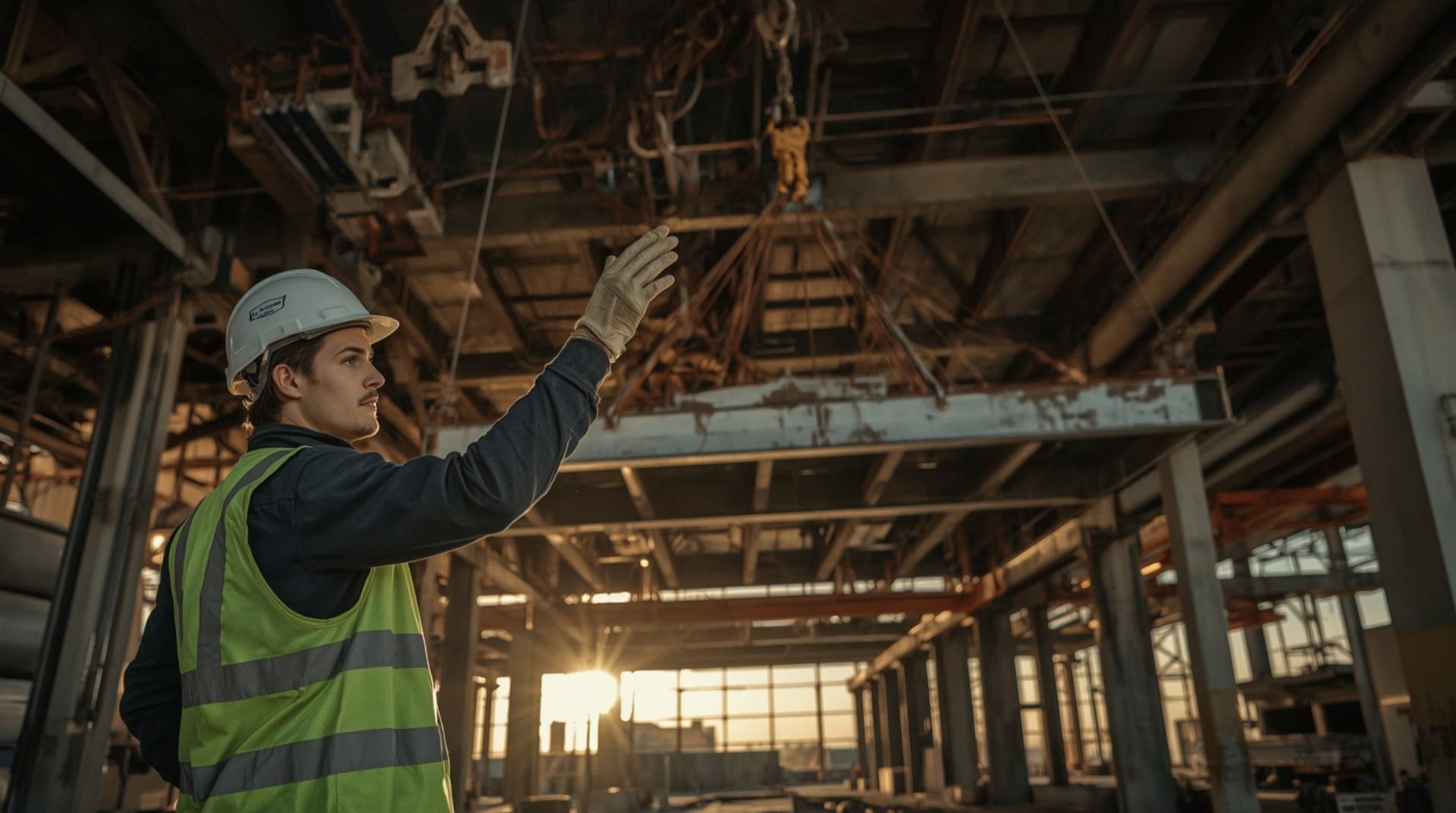
One of the most significant aspects of the Rigger Level II credential is its formal recognition as a lead rigger role. On a complex lift, someone must be in charge of rigging decisions. That person is typically the Level II rigger. They direct the rigging crew, verify all connections, approve the lift configuration, and serve as the primary communicator with the lift director and crane operator.
This authority comes with real accountability. If a rigging decision causes an incident, the lead rigger’s choices will be reviewed. Proper documentation, pre-lift planning, and clear communication are not optional at this level. They are professional obligations that protect both workers and the organization.
Working with the Lift Director
The lift director oversees the entire lifting operation, while the lead rigger manages the rigging portion of that operation. The two roles are distinct but closely coordinated. A Level II rigger must be able to read and contribute to a lift plan, understand the lift director’s authority, and escalate concerns before the crane moves. Understanding lift director training helps Level II riggers see how their role fits within the full chain of command on complex projects.
Directing Subordinate Riggers
On a multi-person rigging crew, the Level II rigger assigns tasks to Level I riggers and other crew members. They verify that each person attaches hardware correctly, positions themselves safely, and follows the lift plan. This supervisory function requires clear communication and the confidence to stop a lift if something is not right.
| Responsibility | Rigger Level I | Rigger Level II |
|---|---|---|
| Basic sling attachment | Yes | Yes |
| Hardware inspection | Basic | Advanced, all types |
| Load and tension calculations | Limited | Full, including asymmetric loads |
| Multi-crane lift coordination | No | Yes |
| Directing rigging crew | No | Yes |
| Lift plan review and contribution | No | Yes |
What Advanced Rigger Training Covers
Advanced rigger training for the Level II credential is structured around both classroom instruction and hands-on practice. The classroom component introduces the math and physics behind rigging: load formulas, mechanical advantage, hardware ratings, and OSHA regulatory requirements. This is not surface-level review. You work through calculation problems until the math becomes second nature.
The practical component is where classroom knowledge becomes real skill. Trainees set up actual sling configurations, use rigging hardware in live exercises, and practice directing simulated lifts. Instructors assess whether each candidate can identify hazards, correct rigging errors, and communicate clearly under pressure. This combination of theory and applied practice is what prepares candidates to pass both portions of the NCCCO exam.
Prerequisites and Eligibility
Most training programs, including those aligned with NCCCO standards, expect candidates to have prior rigging experience or a Rigger Level I credential before entering Level II training. You should be comfortable with basic sling types, load attachment methods, and crane hand signals. Coming in with that foundation allows training to focus on the more complex skills the Level II exam actually tests.
How the Rigger Level II Training Program Is Structured
A well-designed Level II program moves through topics in a logical sequence. It starts with a review of rigging fundamentals, confirms that every participant has the same baseline, and then builds into advanced content. Topics are layered so that each new concept connects to what came before.
Training typically spans one to two days of instruction, though some programs extend further based on group size and practical exercise depth. Companies often schedule group training sessions on-site so that employees train in the environment where they actually work. Individual training options are also available for candidates who need a more flexible schedule or want one-on-one attention from an instructor.
Company Group Training Options
For employers with multiple workers who need Level II certification, group training offers clear efficiency. An instructor comes to your facility, uses your actual equipment as part of the training context, and can tailor examples to the types of lifts your crew performs. This site-specific approach improves knowledge retention and reduces the time workers spend away from their normal duties.
Industries That Require Rigger Level II Skills
The Level II credential is most valuable in industries where complex or critical lifts are routine. These include:
- Heavy construction: Structural steel erection, precast concrete placement, and bridge component installation frequently require engineered lift plans and lead rigger oversight.
- Industrial and manufacturing: Moving large machinery, pressure vessels, and heat exchangers inside plants often involves confined spaces and load centers that require precise calculation.
- Energy and utilities: Turbine installations, transformer placements, and power line tower erection all demand Level II-level competency and coordination with crane operators.
- Shipbuilding and marine: Deck equipment and hull components require multi-crane or below-the-hook lifting device expertise that aligns with the Level II scope.
- Petrochemical and refinery: Turnaround projects move critical equipment in tight quarters with no margin for rigging errors, making certified lead riggers essential on every crew.
Across all of these sectors, the risk profile of a lift rises with load weight, environmental constraints, and crew size. Level II certification signals that the person directing the rigging understands those risks and has the skills to manage them.
Common Mistakes Candidates Make Before and During the Exam
Many candidates who struggle with the Level II exam share the same gaps. Understanding these pitfalls in advance helps you prepare more effectively and avoid wasted attempts.
Underestimating the math: Sling tension and load distribution calculations require practice, not just familiarity. Work through sample problems repeatedly until you can solve them quickly and accurately without second-guessing each step.
Skipping hardware study: The written exam includes detailed questions about hardware ratings, rejection criteria, and inspection procedures. Many candidates assume they know this material from field experience, but the exam tests precise knowledge that field habits alone do not always build.
Rushing the practical module: The practical exam rewards systematic process, not speed. Examiners watch whether you follow a proper sequence: assess the load, select the correct hardware, verify ratings, attach the sling correctly, and communicate the lift. Skipping steps, even minor ones, can result in a failed assessment.
Failing to review OSHA standards: Questions about regulatory requirements appear in the written module. Knowing what OSHA’s crane and derrick standard requires of riggers is not optional study. It is core content.
Career Advancement and Earning Potential with Rigger Level II
Earning the Level II credential positions you for roles that carry greater responsibility and compensation. Lead rigger positions, rigging foreman titles, and site safety coordination roles typically require or strongly prefer a Level II credential. Employers running critical lift programs also look for Level II-certified personnel to participate in pre-lift planning meetings, review engineered lift plans, and verify rigging setups before cranes are activated.
In competitive labor markets, the difference between a Level I and Level II credential on a resume can determine which candidate gets called first. Certification documents your capability in a way that years of experience alone cannot always communicate to a new employer. That verification matters more as projects grow larger and compliance expectations tighten.
Final Thoughts on Rigger Level II
Rigger Level II is more than a certification upgrade. It is a formal recognition that you can take on complex lifts, lead a rigging crew, and carry the accountability that comes with that authority. The skills tested, from asymmetrical load calculation to multi-crane coordination, reflect real demands found on serious job sites every day.
If you are ready to move beyond entry-level rigging work and step into a lead rigger role, investing in proper training is the most direct path forward. Find a program that covers both the technical content and the practical application the NCCCO exam requires, and give yourself the preparation time your career deserves.
Frequently Asked Questions About Rigger Level II
What experience do I need before pursuing Rigger Level II?
Most candidates enter Level II training with at least six months to one year of field rigging experience or a Rigger Level I credential. You should be comfortable with basic sling types, load attachment, and hardware inspection before the advanced content will make full sense. Some training providers can assess your readiness during enrollment.
Is Rigger Level II certification recognized nationwide?
NCCCO’s Rigger Level II certification is recognized across the United States and is widely accepted by employers, general contractors, and OSHA compliance programs. It is the most portable credential in the rigging field, meaning it travels with you from job to job without needing to be re-earned for each employer or state.
How long does the Rigger Level II exam take?
The written module typically takes two to three hours, depending on the exam format and the candidate’s pace. The practical module varies based on the lift scenario assigned, but most candidates complete it within one to two hours. Total exam day time, including check-in and briefing, is often four to six hours.
How is Rigger Level II different from being a lift director?
A Level II rigger directs the rigging portion of a lifting operation: selecting hardware, attaching loads, and leading the rigging crew. A lift director oversees the entire lift, including crane positioning, environmental factors, and crew coordination. The two roles complement each other, but the lift director carries broader authority over the full operation. Lift director training is a separate credential with its own requirements.
Can my employer pay for Rigger Level II training?
Many employers cover Level II training costs because certification reduces liability, improves compliance, and increases crew capability. If your employer has multiple workers who need certification, group company training options often provide cost savings compared to individual enrollment. It is worth presenting the business case to your supervisor, especially if your work involves complex or critical lifts regularly.