
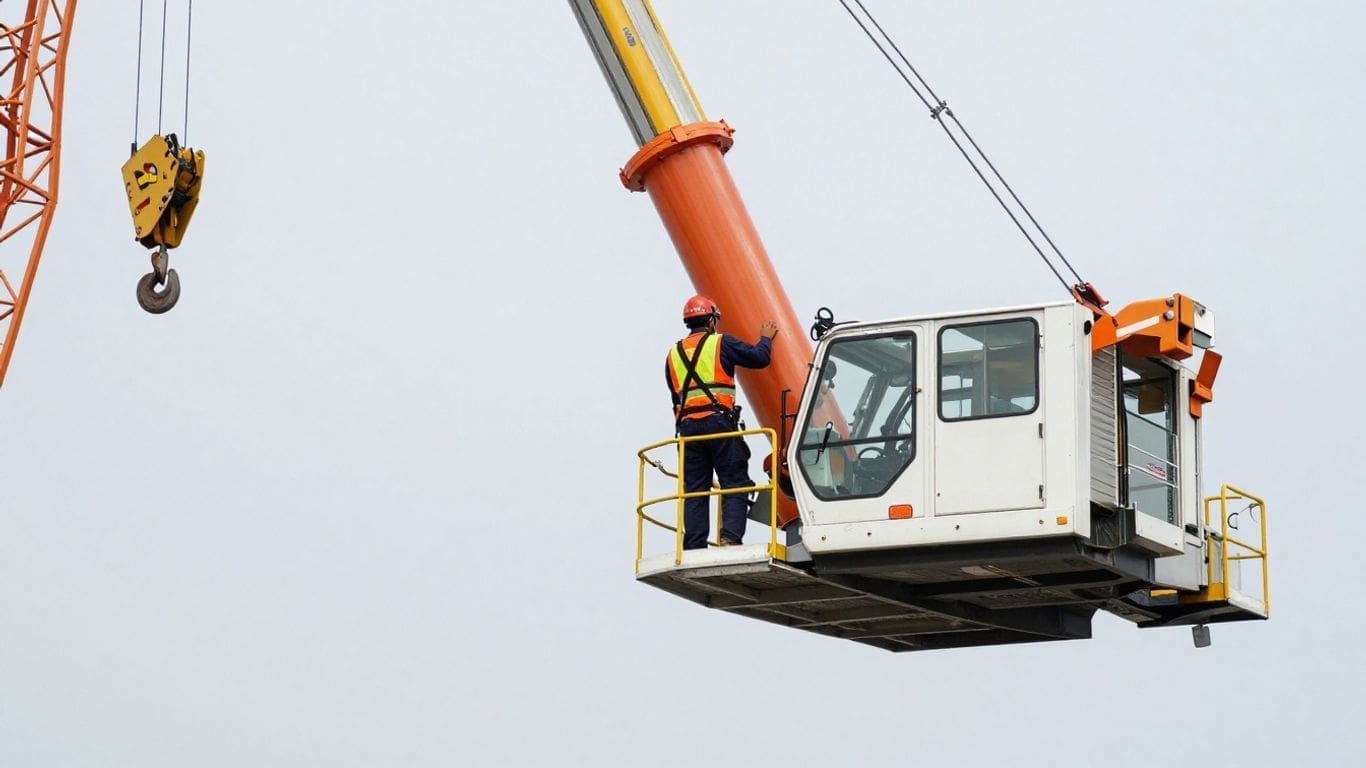
Keeping a mobile crane in good working order is super important, not just for getting the job done but for keeping everyone safe. Think of this mobile crane inspection checklist as your go-to guide. It helps you spot any potential problems before they turn into big headaches. We’ll cover everything from a quick look-over before you start lifting to checking all the nitty-gritty systems and making sure the area around the crane is safe too. It’s all about being prepared and following the rules.
Key Takeaways
- Regular checks are a must for mobile cranes to prevent accidents and keep things running smoothly.
- Always do a visual check of the crane’s structure, ropes, and hook before you start operating.
- Test all the crane’s functions, like brakes and limit switches, to make sure they work right.
- Make sure the ground is stable and there are no overhead dangers in the crane’s work zone.
- Keep good records of all your inspections and any work done on the crane.
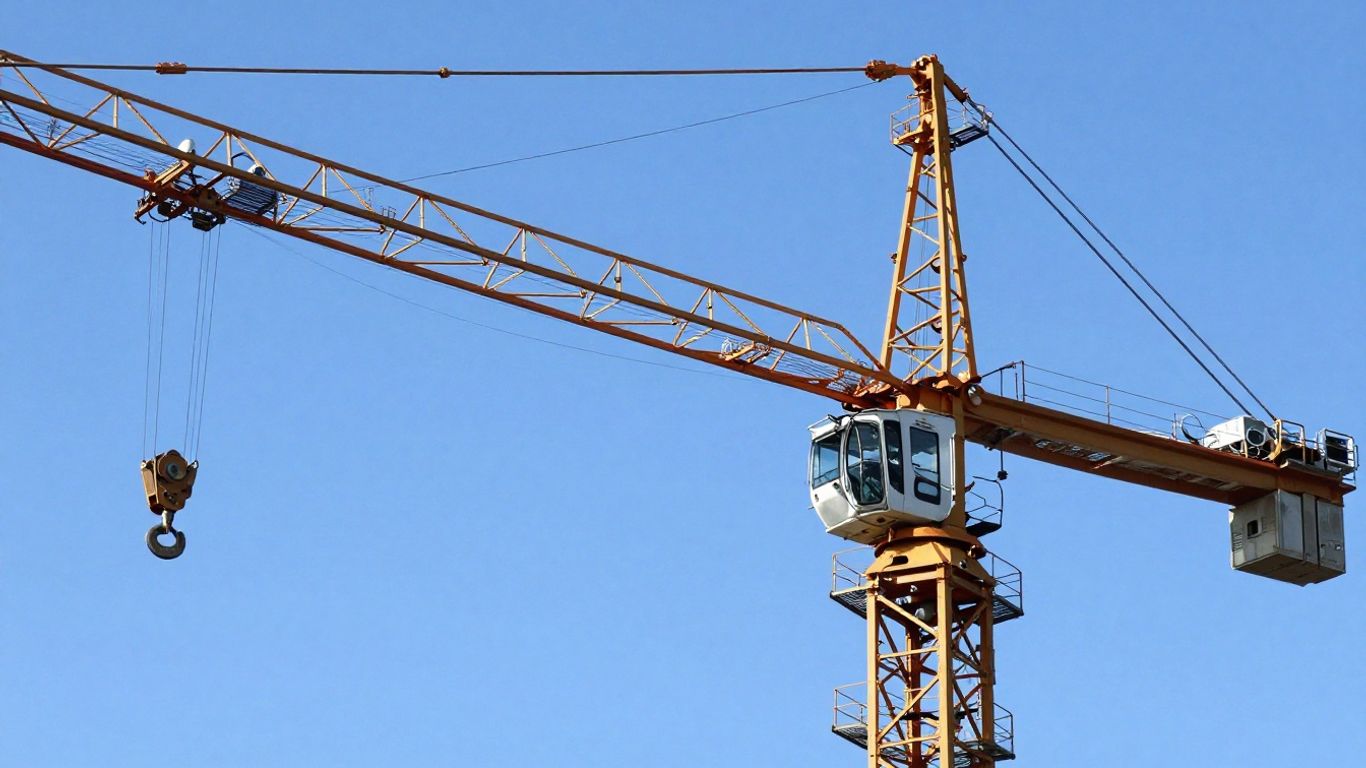
Understanding Your Mobile Crane Inspection Checklist
Why Regular Inspections Are Crucial
Think of your mobile crane like a car. You wouldn’t drive your car for months without checking the oil or tire pressure, right? A crane is a much bigger deal, and regular checks are super important. Doing these inspections before you start work each day helps catch small problems before they turn into big, dangerous ones. It keeps the crane working right, prevents unexpected stops that cost time and money, and most importantly, keeps everyone on the job site safe. It’s all about being proactive.
OSHA Requirements for Mobile Cranes
OSHA has rules about crane inspections, and you need to follow them. They require that cranes are checked regularly. This isn’t about getting a special "certification" for the crane itself, but about making sure qualified people are looking it over. These checks need to happen:
- Each shift: A quick look-over before the day’s work begins.
- Monthly: A more detailed inspection.
- Annually: A thorough check by a competent person.
Records of these inspections need to be kept, usually for at least a few months up to a year. This shows you’re following the rules and taking safety seriously.
Customizing Your Inspection Process
While there are general guidelines, every crane is a bit different, and so is every job site. Your inspection checklist should be tailored to the specific crane you’re using. Check the manufacturer’s manual for their recommendations. Also, think about the environment you’re working in. Are you on a construction site with uneven ground, or a factory floor? These factors might mean you need to pay extra attention to certain parts. A good checklist is one that’s practical for your situation and covers all the bases.
A well-documented inspection process not only helps meet regulatory demands but also builds a history of the crane’s condition. This history is invaluable for planning maintenance and understanding wear patterns over time.
Pre-Operation Visual Checks
Before starting up a mobile crane, you’ll want to give it a good look over from every angle. Think of this as your chance to spot issues before they become real headaches during a lift. Here’s how to break it down:
Structural Integrity and Frame Components
Walk around the entire crane and check for anything bent, cracked, or rusted on the main body, outriggers, and boom. Pay attention to welds—they might look okay from far away but can hide sneaky cracks up close. Confirm all pins and retainers are in place. Don’t ignore obvious things like missing bolts, because sometimes it’s the simple stuff that gets overlooked.
- Look for dents, bends, or obvious deformations
- Check for cracked paint or exposed metal (could be rust starting)
- Inspect welds on the boom and frame
- Spot any loose or missing fasteners
Wire Rope and Drum Condition
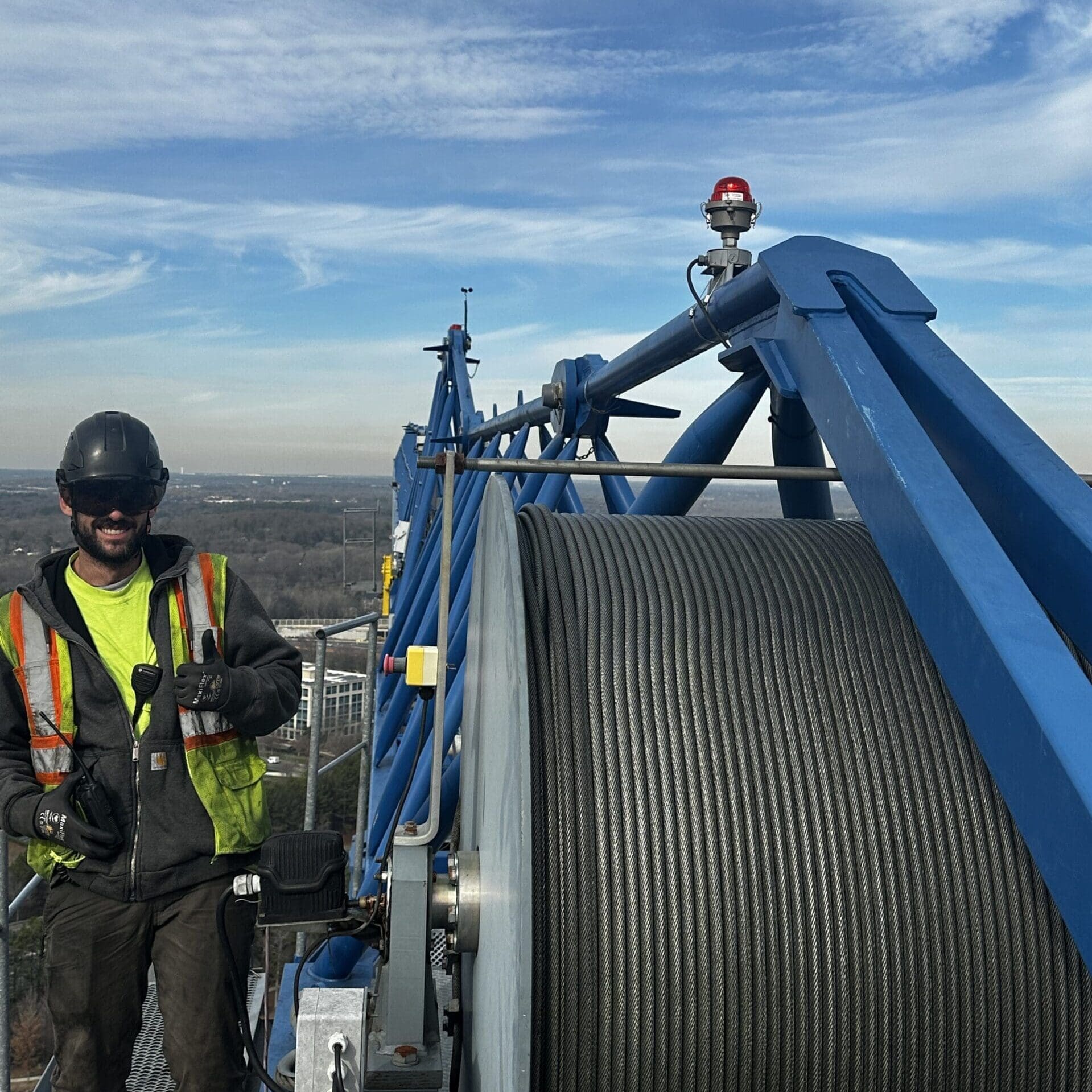
Wire ropes should spool smoothly and evenly on the drum, with no kinks or knots. Take your time inspecting the entire length, especially spots that bend over pulleys most often. You’re watching for wires that are broken, fraying, or starting to flatten out. Drum surfaces should be clean and free from gouges that might wear down the wire rope.
| Inspection Point | What to Look For |
|---|---|
| Wire rope | Broken or bird-caged strands |
| Drum surface | Grooves, scoring, or sharp edges |
| Rope anchors | Secure termination, no movement |
Hook and Hoist Chain Examination
Grab the hook and swivel it—should turn freely without grinding. Check for deformities; hooks shouldn’t be stretched or cracked anywhere. If there’s a safety latch, make sure it snaps back easily. As for chains, look for rust, twists, and surface wear.
- Confirm the hook throat opening isn’t spreading
- Make sure safety latches work and aren’t bent
- Inspect hook for nicks or cracks (even tiny ones)
- Check chain links for elongation or corrosion
Load-Handling Attachment Verification
Attachments like grabs, slings, or spreader bars need checking too. They’re often swapped out, and pieces that aren’t yours might show up on site. Inspect quick-couplers—are they locked in correctly? Look for labels or tags showing their rated load, and make sure nothing has been modified without approval.
- Check condition of all slings and shackles for wear
- Confirm all pins are in place, especially for attachments
- Verify load rating tag is visible and accurate
Double-checking before you fire up the crane can save your day. Catching a small crack or missing bolt is always better than hearing about it from a coworker halfway through a tricky lift.
For a deeper understanding of workplace safety and inspection standards, Certified Safety Experts provides helpful resources and professional insight into proper crane inspection routines.
Testing Operational Systems
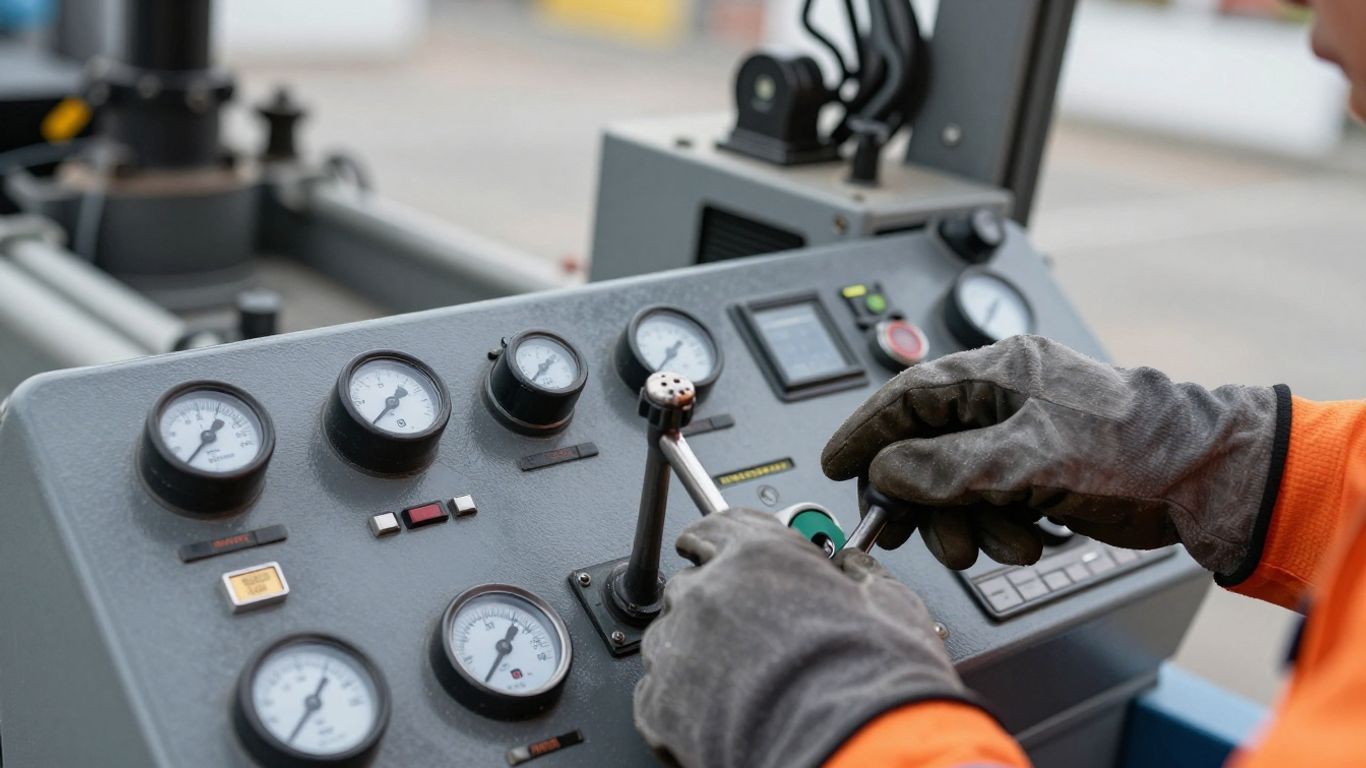
Now that we’ve looked at the crane’s structure and its parts, it’s time to see how everything actually works. This is where we test the systems that make the crane move and lift. It’s not enough for parts to look good; they need to perform correctly under load and respond as expected.
Brake and Hoist Functionality
We need to be absolutely sure the brakes work. This means testing both the holding brake, which keeps the load in place, and any service brakes used for movement. We’ll check that they engage firmly and release smoothly, without any grinding or hesitation. The hoist system itself needs a thorough check too. Does the drum turn correctly? Does the cable wind on smoothly? We’re looking for any signs of strain or unusual noises during operation.
Limit Switch and Anti-Two-Block Testing
Limit switches are safety features designed to stop the crane from over-traveling in any direction. The anti-two-block system is particularly important; it prevents the hook block from hitting the boom tip. We’ll test these by carefully moving the hook towards its limits to confirm they activate at the correct points and shut down the relevant motion. It’s a simple test, but it’s one of the most important safety checks we do.
Load Moment Indicator (LMI) System Checks
The LMI is like the crane’s brain, telling the operator how much weight is being lifted and how close it is to the crane’s capacity for that specific configuration. We need to verify that the LMI is displaying accurate information. If possible, we’ll use a known test weight to see if the system registers it correctly. We’ll also check that the LMI provides warnings as it approaches maximum load limits. This system is key to preventing overloads, which can be incredibly dangerous.
Testing the operational systems isn’t just about checking if things move. It’s about confirming that every movement is controlled, predictable, and safe, especially when a heavy load is involved. This is where potential problems often show up.
Here’s a quick rundown of what we’re looking for during these operational tests:
- Brakes: Do they stop the crane effectively? Do they hold the load steady?
- Hoist: Is the lifting smooth? Are there any strange sounds or vibrations?
- Limit Switches: Do they activate at the right time to prevent over-travel?
- Anti-Two-Block: Does this safety feature engage and stop the hoist when needed?
- LMI: Is the load reading accurate? Are the warning signals working correctly?
Assessing the Operational Environment
Ground Conditions and Stability
Before you even think about lifting anything, take a good look at where the crane is sitting. Is the ground firm enough to hold the weight? Uneven or soft ground can cause the crane to shift or even tip. You want to make sure the outriggers, if your crane has them, are set on solid, level surfaces. Sometimes, you might need to use special mats or cribbing to spread the load and keep things stable. It’s not just about the immediate spot; check the whole area where the crane will be working and moving.
Overhead Clearance and Obstructions
Look up! Seriously, look up. Are there any power lines, building overhangs, or other structures that could get in the way? Cranes, especially when they’re swinging or lifting, need plenty of space. Always check the height of the boom and any loads you’ll be lifting against overhead obstacles. It’s a good idea to mark known overhead hazards, like power lines, with flags or signs so everyone on site is aware.
Wind Conditions and Visibility
Wind is a big one for cranes. Too much wind can make the load sway and make the crane unstable. Most crane manufacturers provide charts that show the maximum wind speeds the crane can safely operate in. Always check the current wind speed and the forecast before you start and keep an eye on it throughout the day. Good visibility is also key. If it’s foggy, raining hard, or dark, and you can’t see well, it’s probably not safe to operate the crane. Make sure the work area is well-lit if you’re working at night.
Warning Signs and Barricades
Safety isn’t just about the crane itself; it’s about the whole area around it. You need to set up warning signs and barricades to keep unauthorized people away from the crane’s swing radius and load path. This protects workers and the public. Make sure these are clearly visible and in the right spots. It’s about creating a safe zone so the operator can focus on the lift without worrying about someone wandering into danger.
The operational environment is as much a part of the crane’s safety system as any mechanical component. Ignoring these external factors is a common mistake that can lead to serious incidents.
Here’s a quick rundown of what to check:
- Ground: Is it firm, level, and able to support the crane’s weight and outriggers?
- Overhead: Are there any power lines, pipes, or structures that could interfere with the boom or load?
- Wind: Is it within the safe operating limits specified by the manufacturer?
- Visibility: Can the operator see the load, the signal person, and the work area clearly?
- Access: Is the area around the crane clear of unnecessary personnel and equipment?
- Barriers: Are warning signs and barricades in place to keep people out of the danger zone?
Hydraulic and Pneumatic System Checks
Mobile cranes rely heavily on hydraulic and pneumatic systems for lifting, moving, and controlling loads. If these systems aren’t checked before every use, even a simple leak could turn into an expensive problem or put workers at risk. Let’s walk through what to look at during your inspection.
Hydraulic Fluid Levels and Leaks
- Check hydraulic fluid levels using the sight glass or dipstick, making sure the engine is off and cool.
- Visually inspect around hoses, lines, pumps, and the reservoir for any signs of leaks—this could be wet spots, puddles, or even just residue.
- Look for cloudy or milky hydraulic fluid, which means there’s likely contamination from water.
| Hydraulic Fluid Inspection | What To Look For |
|---|---|
| Level at recommended mark | Low/high/ok |
| Fluid color/clarity | Clear/milky/dark |
| Visible leaks around components | None/present |
Hose and Fitting Integrity
- Check the entire length of all exposed hoses for any cracks, abrasions, bulges, or kinks.
- Inspect fittings at joints and ends, making sure there’s no wetness or buildup—this might point to leaks.
- Wiggle the fittings gently to see if any are loose or damaged, but don’t overtighten; sometimes that does more harm than good.
Cylinder and Valve Operation
- Watch the cylinders closely while extending and retracting—there shouldn’t be any jerking movements or lag.
- Examine the rod surfaces for scratches, dents, or drips. Even a small nick could wear down a seal over time.
- Operate all control valves, checking that every motion is smooth and the crane responds as you expect.
Inspection Checklist
- Check all hydraulic oil and air levels before use.
- Test each hydraulic cylinder for smooth, full-stroke movement, listening for strange noises.
- Look for any signs of leaks around hoses, cylinders, valves, or pumps.
- Ensure all pneumatic lines and fittings are free from deterioration or loose connections.
- Clean or replace filters as recommended—dirty filters can choke the whole system.
Hydraulics and pneumatics do a lot of the heavy lifting—literally—so catching a small leak or low fluid early can save you from both downtime and headaches later. Trust me, rewriting this list after a hose bursts is no fun.
Safety Device and Emergency Preparedness
When you’re working with a mobile crane, having all the safety gadgets working right and knowing what to do in a pinch is super important. It’s not just about getting the job done; it’s about making sure everyone goes home safe at the end of the day. Let’s break down what to look for.
Emergency Stop Controls
These are your absolute last line of defense. You need to know where they are on the crane, and they need to be easy to get to. During your check, give each one a quick press to make sure it actually stops the crane’s functions. If any of them are sticky or don’t work, that’s a big red flag and needs fixing right away.
Backup Alarms and Warning Lights
Cranes can be noisy, and sometimes people just don’t see them. That’s where backup alarms and flashing warning lights come in. They alert folks nearby that the crane is moving or operating. Check that the backup alarm sounds loud and clear, and that all the warning lights are bright and visible. You want to make sure everyone around the work area knows what’s going on.
Fire Extinguisher Accessibility
Fires can happen, especially with hydraulic systems. It’s vital to have a fire extinguisher on board, and not just any extinguisher – it needs to be the right type for potential fires on a crane (usually Class B or C). More importantly, it needs to be easily reachable. If you have to climb over a bunch of stuff or move heavy parts to get to it, it’s not accessible enough. Make sure it’s mounted securely and the pressure gauge shows it’s ready to go.
Emergency Lowering Procedures
What happens if the power goes out while there’s a load in the air? You need a plan. Most cranes have a way to manually lower the load in an emergency. This might involve a hand pump or a specific procedure. You should know this procedure by heart and confirm that the necessary tools or access points are available. It’s a bit like knowing the exit routes in a building – you hope you never need them, but you absolutely must know them.
Keeping all these safety devices in top shape and being prepared for emergencies isn’t just a suggestion; it’s a requirement for safe crane operation. A quick check can prevent a major problem.
Here’s a quick rundown of what to confirm:
- Emergency Stops: Test each one. Does it kill the power immediately?
- Alarms & Lights: Are they loud, bright, and working?
- Fire Extinguisher: Is it the right type, charged, and easy to grab?
- Manual Lowering: Do you know the steps and have the means to do it?
- Accessibility: Can you reach all these things quickly if needed?
Documentation and Reporting
After you’ve gone through all the checks and tests, the next step is to get it all down on paper, or, more likely these days, on a digital device. This part is super important. It’s not just about ticking boxes; it’s about creating a clear record of the crane’s condition and any work that needs to be done.
Documenting Inspection Findings
Every single thing you check, whether it passes or fails, needs to be recorded. This includes the date of the inspection, who performed it, and the specific crane being checked. If something is good to go, note that. If something needs attention, that’s even more critical to document.
- Basic Crane Info: Crane ID, date, inspector’s name.
- Component Status: A clear yes/no or pass/fail for each item on your checklist.
- Environmental Notes: Any unusual conditions like high winds or unstable ground.
- Readings: Specific measurements from gauges or tests, like hydraulic pressure.
Addressing Defects and Maintenance Notes
When you find a problem, don’t just write it down. You need to be specific about what’s wrong, where it is, and what needs to happen to fix it. This is where you detail the issue, its severity, and the recommended corrective action. Think of it as giving instructions to the maintenance team.
For example, instead of just writing "Brake problem," you’d write something like: "Brake lining on rear axle showing significant wear (approx. 3mm remaining). Recommend replacement within 7 days." This level of detail helps get the right repairs done quickly.
Proper documentation turns a simple inspection into a proactive maintenance strategy. It helps identify patterns and prevent future issues before they become major problems.
Generating Inspection Reports
Once all the findings are logged, you need to compile them into a formal report. This report serves multiple purposes: it’s proof of compliance, a record for future reference, and a guide for maintenance. Many systems allow you to generate these reports with a few clicks, often including photos of any defects you found.
Your report should typically include:
- A summary of the inspection results.
- A detailed list of any identified defects.
- Recommended actions and timelines for repairs.
- The inspector’s signature and date.
- Any relevant certifications or test results.
Keeping these reports organized and accessible is key. They are vital for tracking the crane’s history and for any audits or regulatory reviews.
Conclusion
Wrapping things up, regular mobile crane inspections aren’t just another box to check—they’re a real difference-maker on any job site. Taking the time to go through a checklist before you start work can help spot problems early, keep everyone safer, and avoid those surprise breakdowns that throw off your whole schedule. Plus, keeping good records makes it a lot easier if you ever need to show you’re following the rules. Whether you’re using a paper form or a digital app, what matters most is making inspections a habit. It’s a simple step that pays off big in the long run, keeping your equipment running and your crew out of harm’s way.
Frequently Asked Questions
Why is it so important to check the crane before using it?
Checking the crane before each use is super important because it helps make sure the crane is safe to operate. It’s like checking your bike’s brakes before a ride. This way, you can find any problems, like loose parts or worn-out ropes, before they cause a big accident or break down during a job.
What does OSHA have to say about crane inspections?
OSHA, which is a government group that makes sure workplaces are safe, has rules for inspecting cranes. They say that cranes need to be checked regularly by someone who knows what they’re doing. These checks need to be written down, too, so there’s a record of everything.
How often should I inspect the mobile crane?
You should do a quick visual check every single day before you start working. There are also more detailed checks that need to happen monthly and yearly. The exact timing can depend on how much the crane is used and what kind of work it’s doing.
What are the most critical parts to check on a mobile crane?
You really need to look closely at the crane’s frame and structure to make sure nothing is bent or cracked. Also, check the steel cables (wire ropes) and the hook that lifts things. Don’t forget to test the brakes and other moving parts to make sure they work smoothly and safely.
What if I find a problem during my inspection?
If you find any issues, no matter how small they seem, you must write them down right away. If the problem looks like it could be dangerous, you should not use the crane until it’s fixed. It’s important to keep records of all repairs and checks.
Do I need a special certificate to inspect a crane?
OSHA doesn’t require a special ‘certification’ for inspecting a crane. What’s important is that the person doing the inspection is ‘competent.’ This means they have the knowledge and experience to spot potential dangers and know the rules.