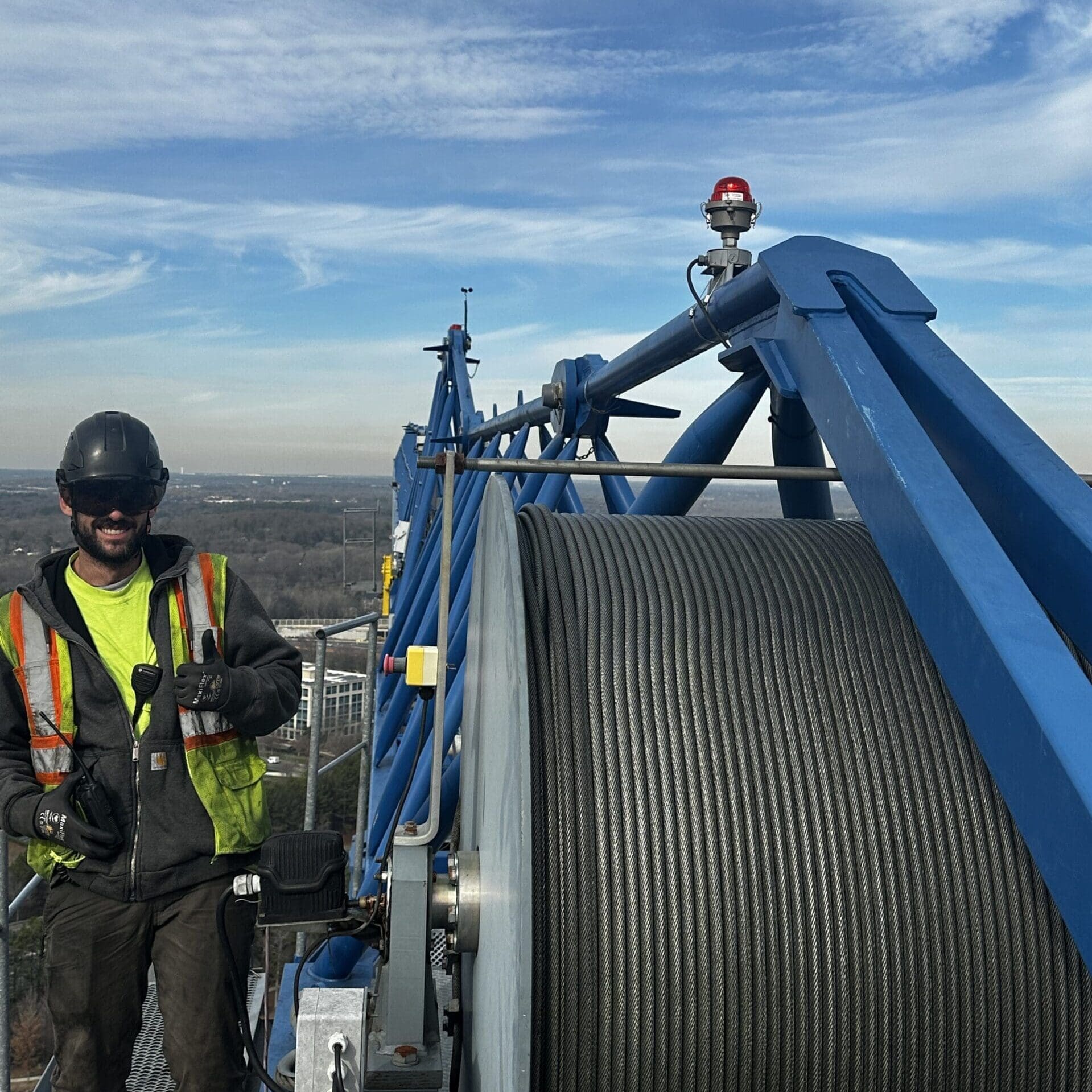

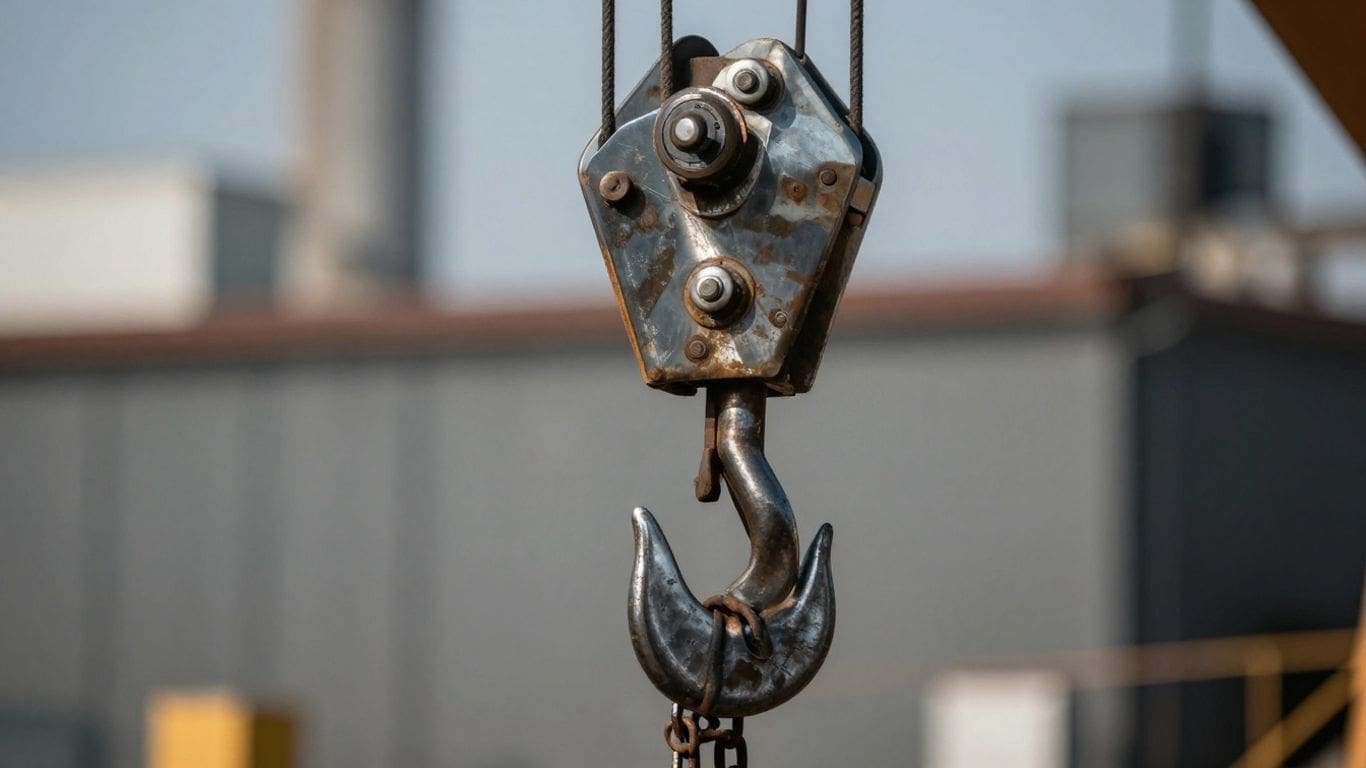
Keeping track of crane inspections is super important. It’s not just about following rules; it’s about making sure everyone stays safe on the job. When you get your crane inspection record keeping right, it makes life easier for everyone involved. You know what’s been checked, what needs fixing, and when it was all done. This article breaks down the best ways to handle all that paperwork and stay compliant.
Key Takeaways
- Make sure you’re logging the dates of every inspection. This helps you keep a regular schedule and know when the next check-up is due.
- Always record who did the inspection. This makes sure someone is accountable and shows they had the right training.
- Clearly write down any problems you find during an inspection. This way, you can fix them and don’t forget anything important.
- When you fix a problem, write down what you did. This shows you’re taking safety seriously and getting things sorted.
- Keep records of maintenance too. It gives you a full picture of the crane’s history and helps spot recurring issues.
1. Inspection Dates
Keeping track of when you inspect your cranes is pretty important. It’s not just about having a number to put on a form; it’s about making sure you’re staying on top of things.
Regular inspections help you catch potential problems before they become big, expensive headaches. If you miss an inspection, you might miss a critical issue that could lead to an accident. So, having a clear schedule and sticking to it is key.
Think of it like this:
- Daily/Pre-Shift: These are quick checks, usually done by the operator before they start their day. They’re looking for obvious stuff like damaged ropes or controls that aren’t working right.
- Frequent Inspections: These happen more often, maybe weekly or monthly, depending on how much the crane is used and what kind of work it does. They’re a bit more in-depth than the daily checks.
- Periodic Inspections: These are the big ones, happening anywhere from quarterly to annually. They involve a really thorough look at the crane’s structure, mechanics, and safety systems.
Knowing when each type of inspection is due helps you plan and ensures no part of the crane gets overlooked. It’s all about consistency and making sure your equipment stays safe and reliable.
The dates you record aren’t just for show; they’re proof that you’re actively managing the safety and condition of your lifting equipment. This documentation is vital for compliance and for preventing unexpected downtime.
2. Inspector Identification
Knowing who performed an inspection is a big deal for accountability and also for knowing if the person doing the checking is actually qualified. Think of it like this: you wouldn’t want just anyone tinkering with your car’s brakes, right? The same goes for cranes.
When you’re looking at inspection records, you should always see the full name of the inspector. This isn’t just a formality; it links the findings directly to a specific person. If there are questions later about the inspection or the crane’s condition, you know who to talk to.
Beyond just a name, it’s good practice to have some way to confirm the inspector’s qualifications. This could be through certifications, training records, or even just a documented history of their experience with crane inspections. This information helps build confidence that the inspection was done correctly and thoroughly.
Here’s a quick rundown of what to look for regarding inspector identification:
- Full Name: Always clearly stated.
- Contact Information: Sometimes included, which can be helpful.
- Qualifications/Certifications: Proof of their training and expertise.
- Company/Affiliation: Where they work or if they’re an in-house inspector.
Keeping track of who inspected what is more than just paperwork; it’s a key part of a strong safety program. It ensures that qualified eyes are on the equipment and that there’s a clear line of responsibility for the crane’s upkeep.
3. Inspection Findings
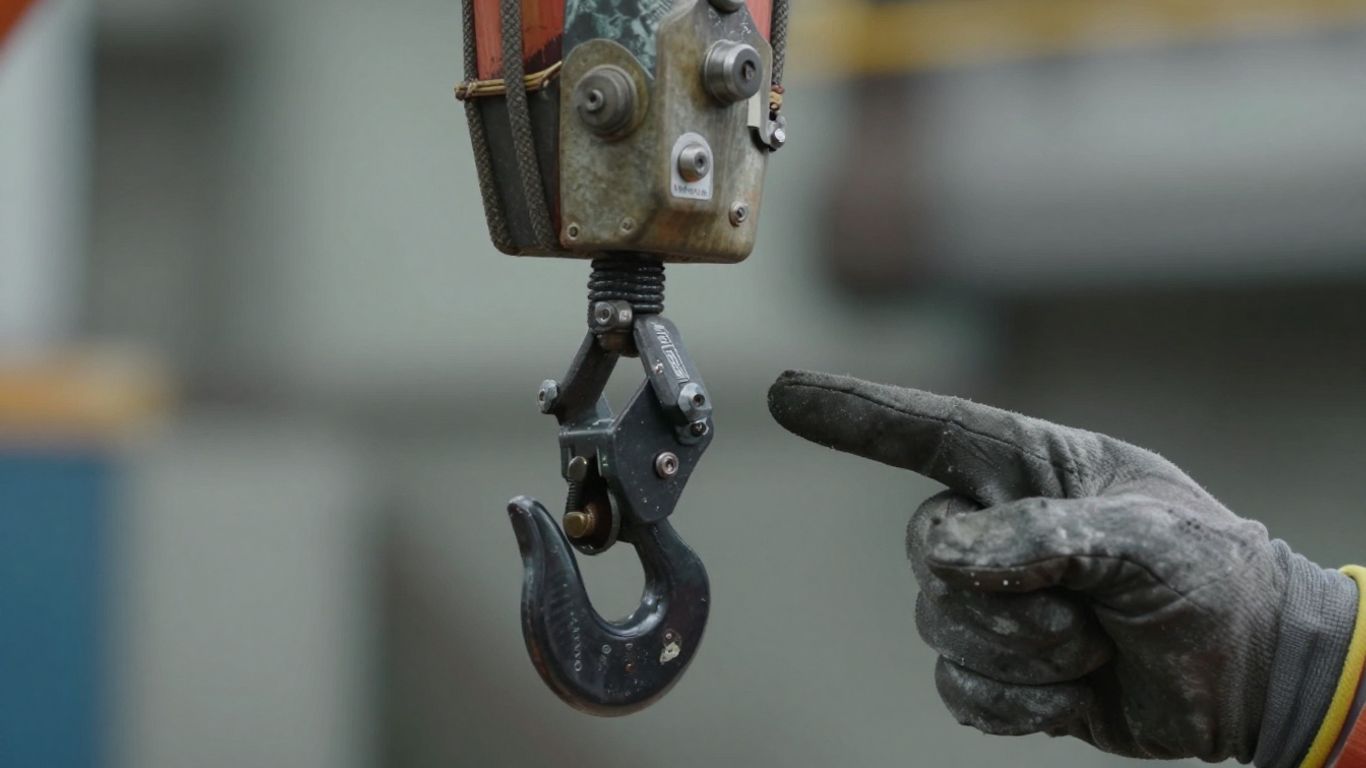
This is where you document exactly what the inspector saw during the check. It’s not just about saying ‘everything is fine’ or ‘there’s a problem.’ You need to be specific.
Think about it like a doctor’s report for your crane. What parts were looked at? What was the condition of those parts? Were there any signs of wear, damage, or anything that just didn’t look right?
Here’s a breakdown of what to include:
- Component Status: Note the condition of key parts like the hoist, trolley, bridge, controls, and any safety features. Be clear if they are in good working order, show minor wear, or have significant issues.
- Observed Defects: List any specific problems found. This could be anything from a loose bolt, a frayed wire rope, a worn brake pad, or a malfunctioning limit switch.
- Severity Assessment: For any issues identified, it’s helpful to note how serious they are. Is it something that needs immediate attention, or can it be scheduled for later?
- Environmental Factors: Sometimes, the environment plays a role. Note if conditions like extreme temperatures, dust, or moisture might be affecting the crane’s performance or contributing to wear.
It’s also a good idea to use a standardized format for these findings. This makes it easier to compare reports over time and spot trends. A simple table can work wonders here:
| Component | Condition | Findings/Defects |
|---|---|---|
| Hoist Brakes | Good | N/A |
| Wire Rope | Minor Wear | Slight fraying noted at 10ft from drum end. |
| Limit Switches | Operational | Tested and functioning correctly. |
| Structural Beam | No Visible Issues | Checked for cracks and deformation. |
| Control Pendant | Good | Buttons responsive, no visible damage. |
The goal here is to create a clear, objective record. Avoid assumptions and stick to what was directly observed. This detailed information is what drives the next steps in keeping the crane safe and operational.
4. Corrective Actions
When an inspection turns up a problem, it’s not enough to just write it down. You’ve got to do something about it, right? That’s where corrective actions come in. This part of your record-keeping is all about tracking what you did to fix any issues found during an inspection.
It shows you’re serious about safety and keeping your equipment in good shape. Plus, it gives you a clear history of how problems were resolved. This can be super helpful if the same issue pops up again later.
Here’s what you should be noting down:
- What was the problem? Briefly describe the issue found during the inspection.
- What was done to fix it? Detail the specific repairs or adjustments made.
- Who did the work? Record the name of the person or team that performed the corrective action.
- When was it fixed? Note the date the corrective action was completed.
Sometimes, a problem might be simple, like tightening a loose bolt. Other times, it could be more involved, like replacing a worn-out part. Whatever it is, documenting it properly is key.
Keeping track of corrective actions isn’t just about fixing things; it’s about learning from them. This information can help you spot patterns and prevent future problems before they even start.
5. Maintenance Logs
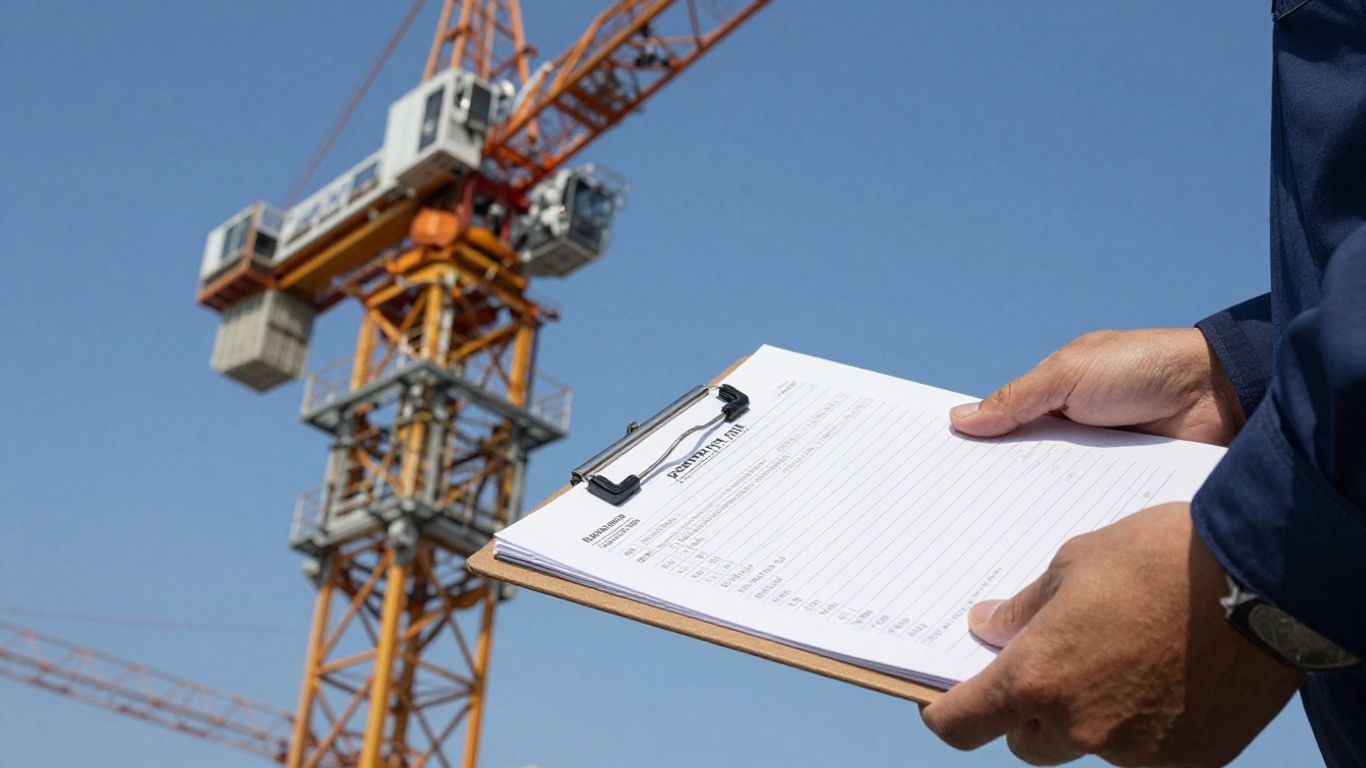
Keeping track of all the maintenance your crane has had is super important. It’s not just about following the rules; it’s about making sure your equipment stays safe and reliable.
Think of your maintenance log as the crane’s health journal. Every time something is done – whether it’s a routine check-up, a repair, or an upgrade – you need to write it down. This helps you see what’s been done, when it was done, and by whom.
Here’s what you should aim to record:
- Date of Service: When the maintenance or repair took place.
- Type of Service: Was it a scheduled inspection, a lubrication, a part replacement, or a repair?
- Details of Work Performed: Briefly describe what was done. For example, "Replaced hoist brake pads" or "Lubricated slew ring."
- Parts Used: List any specific parts that were replaced.
- Technician/Mechanic: Who performed the work? This is good for accountability.
- Crane Status: Note if the crane was operational after the service.
Sometimes, you might have recurring issues. A good logbook can help you spot these patterns. If you’re constantly fixing the same thing, it might be a sign that a part is nearing the end of its life, or maybe it’s time to think about a bigger upgrade.
Keeping these logs up-to-date and easily accessible is key. It shows you’re serious about safety and compliance. Plus, when you’re ready to sell the crane down the line, a well-maintained logbook can really add to its value.
Regularly reviewing these logs alongside your inspection records gives you a complete picture of your crane’s history. It helps you plan for future maintenance and avoid unexpected downtime. It’s a bit of work, sure, but it pays off in the long run by keeping your operations running smoothly and safely.
6. Crane Inspection Checklist
Using a checklist for your crane inspections isn’t just a good idea; it’s pretty much a requirement for keeping things safe and legal. Think of it as your go-to guide to make sure you don’t miss anything important. A good checklist covers all the bases, from the everyday checks to the more in-depth ones.
What should be on your checklist? Well, it really depends on how often you’re inspecting and what kind of crane you have, but here are some key areas to focus on:
- Daily/Pre-Shift Checks: These are quick visual and operational checks done by the operator before starting work. Things like looking over the hook, checking the wire rope for damage, making sure controls work, and testing safety devices.
- Frequent Inspections: These happen more often, maybe weekly or monthly. They involve a closer look at operating mechanisms, hydraulic systems, and electrical components.
- Periodic Inspections: These are the more thorough, usually annual, checks. They look at the crane’s structure, wear and tear on parts like brakes and sheaves, and overall mechanical condition.
- Specific Component Checks: Don’t forget to include sections for critical parts like the hoist, trolley, bridge, and any specialized equipment.
Here’s a simplified look at what might be included in different inspection types:
| Inspection Type | Frequency | Key Areas |
|---|---|---|
| Pre-Shift | Daily | Visual check of hook, rope, controls, safety devices, operational test |
| Frequent | Daily to Monthly | Operating mechanisms, hydraulic/pneumatic systems, electrical systems |
| Periodic (Annual) | Annually | Structural integrity, wear on brakes/sheaves, loose bolts, alignment |
| Periodic (Severe Use) | Quarterly | More frequent structural and wear assessments |
A well-organized checklist helps standardize your inspections. This means everyone is looking for the same things, making it easier to spot problems early and keep a consistent record of your crane’s health. It’s all about preventing issues before they become big, costly, or dangerous problems.
7. Manufacturer Manuals
Think of the manufacturer’s manual as your crane’s personal instruction book. It’s packed with all sorts of important details about your specific crane model. You’ll find information on how it’s supposed to work, what parts it uses, and how to keep it running smoothly.
These manuals are super helpful for a few reasons:
- Proper Operation: They explain the correct way to use the crane, including its limits and capabilities. This helps prevent accidents and damage.
- Maintenance Schedules: You’ll find recommendations for regular checks and servicing. Following these can help catch problems early.
- Troubleshooting: If something goes wrong, the manual can often guide you on what might be the issue and how to fix it.
- Parts Information: It lists the exact parts your crane needs, which is key when you have to replace something. Using genuine parts is always the best bet to keep your crane safe and working as intended.
Keeping these manuals handy and referring to them is a smart move. It’s not just about following rules; it’s about making sure your crane is safe and reliable for everyone on the job site. If you’re ever unsure about a specific procedure or part, the manual is your first stop. For more in-depth guidance on crane safety and maintenance, you might find resources from organizations like CMAA helpful.
Relying on the manufacturer’s documentation is a cornerstone of responsible crane ownership. It’s the most direct source of information for your equipment’s unique needs and specifications, helping to maintain its integrity and operational safety over time.
8. Load Test Records
Load testing is a really important part of making sure a crane is safe to use, especially after it’s been repaired or modified, or when it’s first put into service. It’s basically a way to check if the crane can handle the weight it’s supposed to lift.
Think of it like this: you wouldn’t want to find out your car’s brakes don’t work when you’re going downhill, right? Load testing is the crane equivalent of checking those brakes under a controlled situation.
Here’s what you generally need to keep track of for load tests:
- Date of Test: When the load test was performed.
- Test Load: The actual weight used during the test. This is usually a percentage of the crane’s rated capacity, often 100% or more, depending on the specific requirements.
- Test Results: Whether the crane passed or failed the test. This includes noting any issues observed during the test.
- Inspector’s Name/Signature: Who conducted the test and signed off on it.
- Crane Identification: Which specific crane was tested.
Keeping these records is key. OSHA and other safety bodies often require them, and they show that you’ve done your due diligence to confirm the crane’s lifting capabilities. It’s not just about following rules; it’s about preventing accidents. If something goes wrong later, these records can show that the crane was tested and deemed safe at a certain point.
Load testing isn’t a one-and-done deal. It’s a critical step that needs to be documented thoroughly to confirm a crane’s safety and operational readiness, especially after significant work or when it’s first deployed.
So, make sure you have a clear system for recording load tests. It’s a vital piece of the puzzle for safe crane operation and good record keeping.
9. Safety Devices
When we talk about keeping cranes running smoothly and safely, we absolutely have to cover the safety devices. These aren’t just extra bits and pieces; they’re built-in safeguards designed to prevent accidents and protect both the crane and the people working around it. Think of them as the crane’s built-in guardian angels.
Regular checks on these devices are super important. You can’t just assume they’re working perfectly. A quick inspection can catch small issues before they become big problems. It’s like checking the smoke detector batteries – you do it because you know it matters.
Here are some of the key safety devices you’ll find on most cranes and what to look for during inspections:
- Load Limiters/Indicators: These devices tell the operator if the crane is about to lift too much weight. Overloading is a major cause of accidents, so making sure these are accurate and functioning is a top priority. They often give a visual or audible warning.
- Limit Switches: These stop the crane’s movement if a part of it goes too far, like the hoist reaching its highest point or the trolley moving beyond its track. They prevent collisions and mechanical damage.
- Emergency Stop Buttons: These are usually brightly colored and easily accessible. They allow anyone to immediately shut down the crane in a dangerous situation. It’s the last line of defense, but a critical one.
- Outriggers and Stabilizers: For mobile cranes, these extend to provide a stable base, preventing tipping. You need to check that they deploy correctly and are fully extended when the crane is in operation.
- Brakes: Cranes have various braking systems to hold loads and stop movement. Ensuring these are responsive and effective is non-negotiable.
Keeping a close eye on all these safety features means you’re actively working to prevent incidents. It’s not just about ticking boxes; it’s about making sure the equipment is genuinely safe to operate day in and day out. A little attention here goes a long way in avoiding costly downtime and, more importantly, injuries.
When you’re logging your inspections, make sure to specifically note the condition and functionality of each safety device. If something isn’t working right, it needs to be tagged for immediate repair. Don’t let it slide – these devices are there for a reason, and that reason is safety.
10. Wire Rope Condition
When you’re checking over a crane, the wire rope is a big deal. It’s what actually does the lifting, so you want to make sure it’s in good shape. Think of it like the main muscle of the crane – if it’s weak or damaged, the whole operation is at risk.
Regular checks are key here. You’re looking for a few things:
- Fraying or broken wires: If you see strands coming loose or individual wires snapping, that’s a red flag. It means the rope is losing its strength.
- Corrosion or rust: Especially if the crane operates in wet or salty conditions, rust can eat away at the metal, weakening the rope from the inside out.
- Kinks or twists: A kink is a permanent bend that damages the rope’s structure. Twists can also happen, making it harder for the rope to work smoothly and safely.
- Wear on the outer strands: Over time, the outside of the rope can get worn down. You need to check if this wear is excessive.
It’s not just about looking, either. Sometimes, you need to feel the rope too. Any roughness or stiffness can be a sign of internal damage that you can’t see easily.
Keeping a close eye on the wire rope’s condition is non-negotiable for safe crane operation. Small issues can quickly become big problems if they aren’t caught early.
How often you need to inspect the wire rope depends on how much the crane is used and the type of work it does. For cranes used daily or in tough conditions, you’ll want to check it more often, maybe even before each shift. For less active cranes, monthly or quarterly checks might be enough. Always follow the manufacturer’s recommendations and any specific industry standards, like those from OSHA or CMAA, for inspection intervals and what to look for. Recording these findings is just as important as the inspection itself.
Wrapping It Up: Keeping Your Crane Records in Shape
So, we’ve gone over why keeping good records for crane inspections is super important. It’s not just about following the rules, though that’s a big part of it. It’s really about making sure everyone stays safe on the job. When you have clear, up-to-date logs of inspections, findings, and fixes, you’re building a solid history of your equipment. This helps catch problems early, shows you’re serious about safety, and can even help down the road if something unexpected happens. Whether you’re using checklists, software, or a mix of both, the main thing is to be consistent and thorough. Taking the time to get your record-keeping right means fewer headaches and a safer worksite for everyone involved.
Frequently Asked Questions
Why is it important to keep good records of crane inspections?
Keeping detailed records is like having a history book for your crane. It shows when it was checked, who checked it, and what was found. This helps make sure the crane is safe to use, catches problems early, and proves you’re following safety rules.
Who is allowed to inspect a crane?
For daily checks, a trained worker like an operator or supervisor can do it. For more detailed checks, especially yearly ones, a specially trained and qualified inspector is needed. They have the know-how to spot tricky issues.
How often do cranes need to be inspected?
Cranes need regular check-ups. Some are quick visual checks done daily or before each shift. Then there are more thorough checks done monthly. Finally, a complete, documented inspection should happen at least once a year.
What specific things should be written down during an inspection?
You need to note the date of the inspection, the name of the inspector, exactly what was found (good or bad), and any fixes that were made. It’s all about being clear and thorough.
Do I need to keep crane records forever?
While keeping records for a long time is a good idea, safety rules usually say you need to keep at least the last two inspection and maintenance records. This shows a recent history of the crane’s condition.
What’s the difference between a quick check and a full inspection?
A quick check, often done daily, looks at the basics like controls and visible safety parts. A full inspection is a deep dive done by an expert, checking everything from the structure to the smallest parts to make sure it’s in top shape and safe.