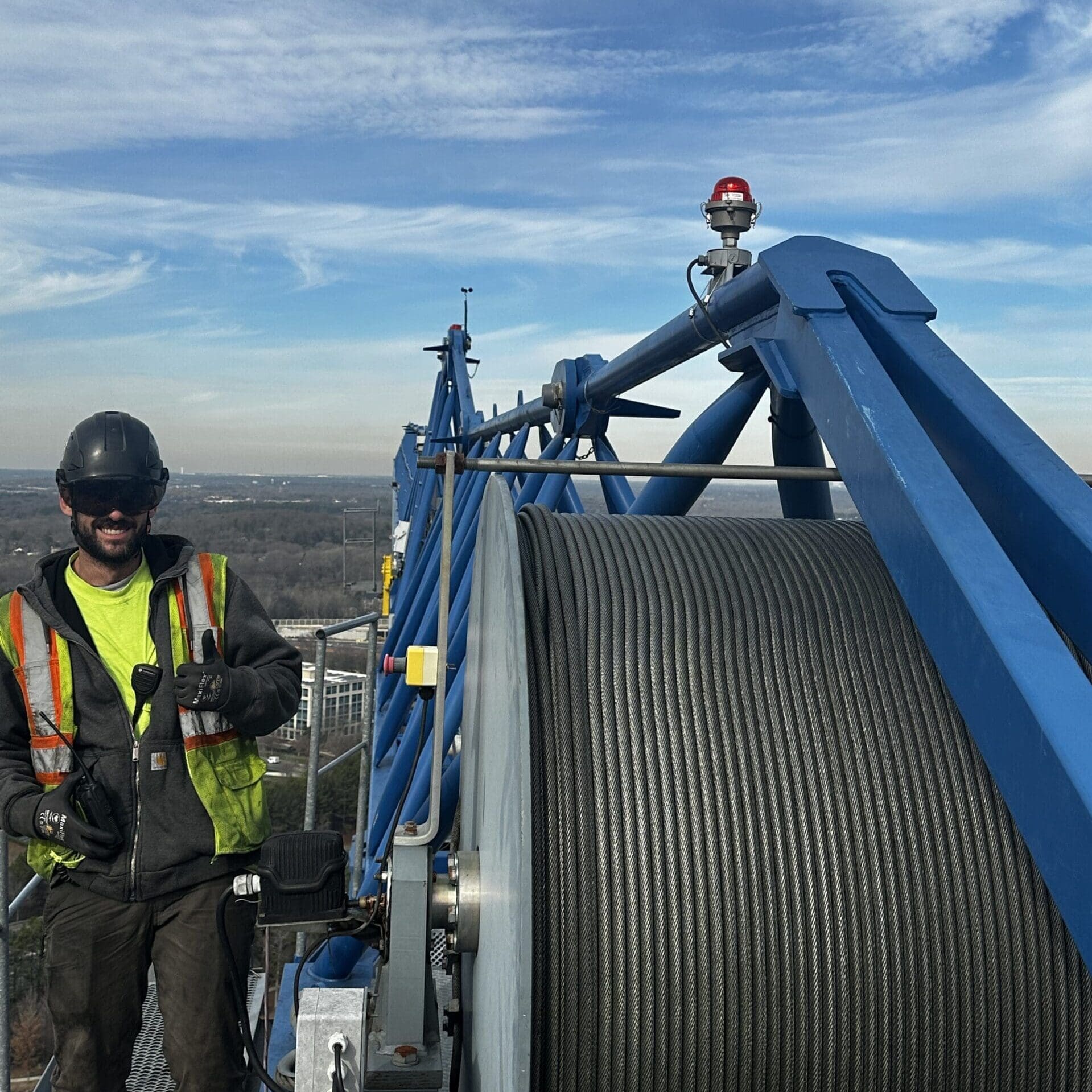

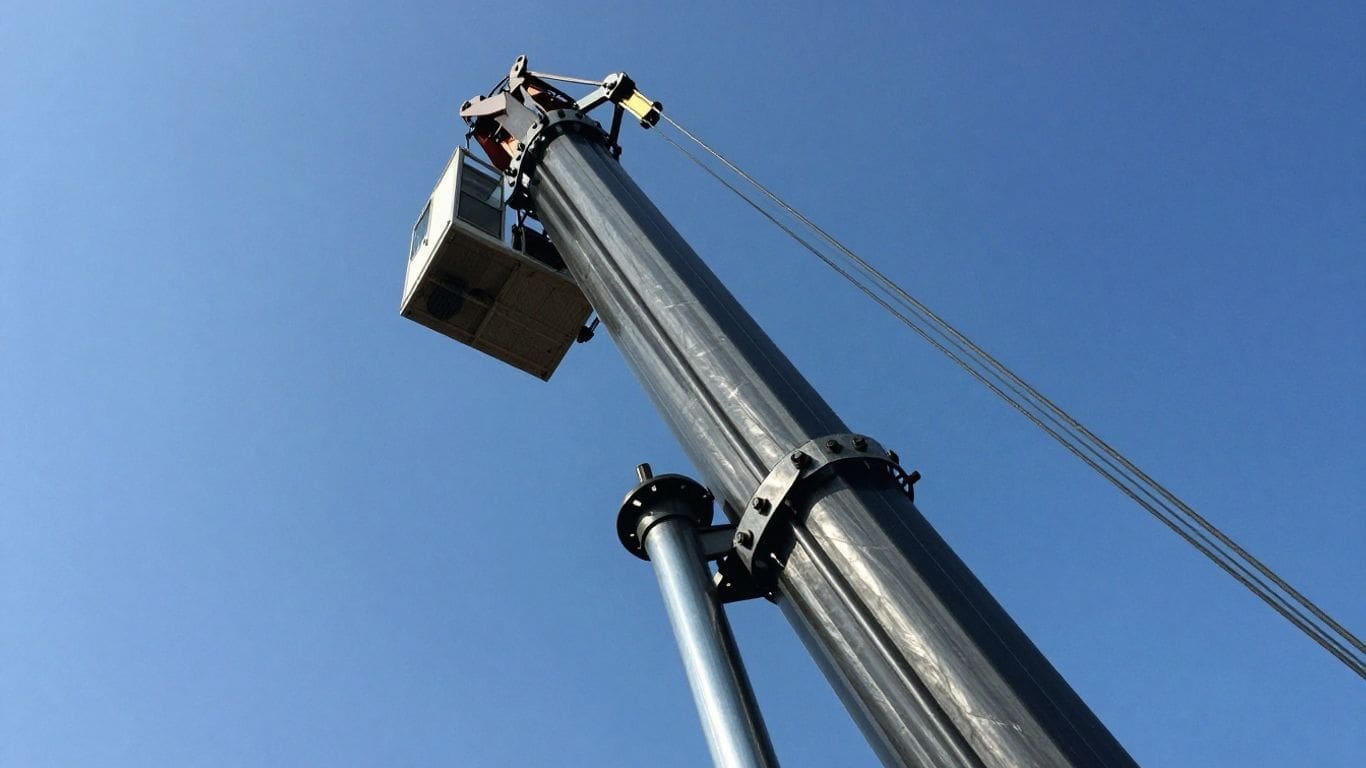
Keeping your cranes in good shape is a big deal, not just for following the rules, but for making sure everyone stays safe on the job. It’s like giving your car regular tune-ups. You check the obvious stuff, and sometimes you need a mechanic to look deeper. For cranes, this means having a solid plan for inspections and knowing what to write down. This guide will help you get a handle on crane inspection documentation requirements so you can keep things running smoothly and safely.
Key Takeaways
- Detailed inspection logs are required to show proof of safety checks and track a crane’s history.
- Only trained and knowledgeable individuals, often called ‘competent persons,’ should perform crane inspections.
- A good inspection checklist covers operational checks, structural integrity, and electrical/hydraulic systems.
- Any issues found during an inspection must be documented, assessed for risk, and corrected.
- Different types of inspections (initial, frequent, periodic) have different requirements and frequencies.
Understanding Crane Inspection Documentation Requirements
So, you’ve got a crane, and you need to make sure it’s safe and sound. Part of that whole process is keeping good records. It’s not just about ticking boxes; it’s about having proof that you’re doing what you should be doing to keep things running smoothly and, more importantly, safely. Think of these documents as the crane’s history book.
The Importance of Detailed Inspection Logs
Every time a crane is checked, it needs to be written down. This isn’t just a quick note. A detailed log should include the date and time, which crane was looked at (make, model, serial number are good to have), what was checked, any problems found, and what was done to fix them. The name of the person who did the inspection and their signature are also key. These logs are super helpful for spotting issues that keep popping up and show a clear history of maintenance. It’s like a medical chart for your equipment.
Proof of Safety and Compliance
These inspection records are your evidence. They show that you’re following the rules, like those set by OSHA. If there’s ever an inspection or, unfortunately, an incident, these documents can demonstrate that you’ve been diligent about safety. It helps build trust and shows you’re taking responsibility for the equipment and the people using it.
Keeping good records isn’t just a formality; it’s a practical way to manage risks and ensure your equipment is reliable. It’s about being prepared and having the information readily available when you need it.
Tracking Crane Maintenance History
Beyond just passing inspections, these logs help you understand your crane’s life. You can see when certain parts were replaced, what kinds of repairs are common for that model, and how often issues arise. This kind of history can help you plan for future maintenance, budget for potential repairs, and even make better decisions when buying new equipment down the line. It’s all about knowing your machine inside and out.
Who Is Qualified To Perform Crane Inspections?

So, who’s actually supposed to be looking over your crane to make sure it’s in good shape? It’s not just anyone with a clipboard. There are specific roles and qualifications to consider, and getting this right is a big part of keeping everyone safe.
Defining a Competent Person
For daily checks and other frequent inspections, you’ll need a "competent person." Think of this as someone on your team who really knows their stuff when it comes to cranes. They need to be able to spot problems before they become serious hazards and have the authority to stop work if something isn’t right. This usually means they’ve had specific safety training and understand the crane’s components inside and out. They’re your first line of defense.
The Role of Qualified Inspectors
When it comes to more in-depth inspections, like the annual ones, you’ll need a "qualified person." This is a step up from a competent person. A qualified person has proven they can identify hazards and figure out how to fix them. This could be someone with a degree in engineering, a professional certification, or extensive experience and training. They’re the ones who can really dig into the details and give you a thorough assessment. Sometimes, it’s best to bring in an outside expert. Third-party inspectors are independent, meaning they don’t have a stake in your company. This neutrality can be really helpful, especially for major inspections or when you’re working on projects that require extra scrutiny. They bring a fresh set of eyes and a deep knowledge of all the latest regulations.
Training and Familiarity Requirements
Regardless of whether it’s an in-house employee or an external service, the inspector must be familiar with the specific crane they are inspecting. This means understanding its design, intended use, and any manufacturer-specific guidelines. They also need to be up-to-date on relevant safety standards, like OSHA regulations. Here’s a quick breakdown of who generally fits the bill:
- Certified Crane Inspectors: These individuals have completed specific training programs and passed exams to earn their certification.
- Professional Engineers: Engineers with a background in crane design and operation can also be qualified.
- Experienced In-House Personnel: If your own team members have the necessary training, certifications, and practical experience, they can perform inspections.
Getting the right person for the job isn’t just about ticking a box; it’s about making sure the equipment is safe for everyone who works around it. A qualified inspector can spot issues that might be missed by someone less experienced, preventing potential accidents and costly downtime.
Essential Components Of A Crane Inspection Checklist
Think of your crane inspection checklist as its health record. It’s a tool to keep your equipment running safely and reliably. Regular checks help find small issues before they become big problems or accidents.
Operational Checks and Safety Features
This part of the checklist focuses on how the crane actually works and its built-in safety measures. It’s about making sure everything moves as it should and that safety devices are ready to go.
- Movement and Control: Does the crane move smoothly in all directions? Are the controls responsive and easy to operate?
- Brake System: Do the brakes engage properly and hold the load securely? This is super important for stopping and holding.
- Limit Switches: These devices prevent the crane from over-traveling or over-hoisting. We need to test that they activate at the correct points.
- Alarms and Horns: Are audible and visual warning signals working correctly? These alert people nearby to crane movement.
- Emergency Stops: Can the emergency stop buttons be reached and do they function immediately?
Checking these operational and safety features regularly is key to preventing immediate hazards. It’s the first line of defense in day-to-day operation.
Assessing Structural Integrity and Mechanical Parts
Here, we look at the crane’s "bones" and "muscles." This involves a close examination of the crane’s frame and the moving mechanical components.
- Frame and Supports: Look for any cracks, bends, or signs of stress on the main beams, trolley, and bridge structure. Check for loose bolts or connections.
- Gears and Shafts: Examine gears for wear, missing teeth, or damage. Ensure shafts are straight and bearings are not excessively worn.
- Rollers and Wheels: Check for flat spots, cracks, or damage on the wheels that run on the crane’s runway.
- Wire Rope: Inspect the wire rope for fraying, kinks, corrosion, or broken strands. Even small damage can weaken it.
- Hook and Latch: The hook should be checked for cracks or distortion. The latch must close securely to prevent loads from slipping off.
Examining Hydraulic, Pneumatic, and Electrical Systems
Cranes use various systems to operate. This section ensures these systems are functioning correctly and safely.
- Hydraulic System: Check for leaks in hoses, fittings, and cylinders. Ensure pumps and motors are working without strange noises and that fluid levels are correct.
- Pneumatic System: Similar to hydraulics, inspect for air leaks in lines and components. Make sure air pressure is maintained.
- Electrical System: Examine wiring for damage, fraying, or loose connections. Check insulation on cables and conduits. Ensure control panels are clean and free from corrosion.
- Power Source: Inspect the power supply, whether it’s electric or internal combustion, for any issues with fuel lines, exhaust, or cooling systems.
- Load and Wind Indicators: Verify that these indicators are accurate and functioning. They provide vital information for safe operation, especially in changing weather conditions.
Addressing And Documenting Inspection Findings
So, you’ve gone through the checklist, and maybe you found a few things that aren’t quite right. That’s totally normal. The important part isn’t finding problems; it’s what you do about them. This is where good documentation really shines.
Identifying and Assessing Issues
When you spot something off, the first step is to be clear about what it is. Is it a small scratch on the paint, a slightly loose bolt, or something that looks like it could cause a real problem? You need to describe the issue plainly. Then, you have to figure out how serious it is. Does this problem make the crane unsafe to use right now? Or is it something that can wait a bit, but still needs attention?
- Describe the problem: What exactly did you see or notice?
- Rate the severity: Is it a minor cosmetic issue, a potential future problem, or an immediate safety hazard?
- Note the location: Where on the crane is the issue?
Taking Corrective Actions
Once you know what the problem is and how bad it is, you need to decide on the fix. For small things, it might be as simple as tightening a bolt or cleaning a sensor. For bigger issues, you might need to order a replacement part or schedule a repair with a specialist. If the problem is serious enough, the crane might need to be taken out of service until it’s completely fixed. Safety first, always.
- Minor Adjustments: Tightening, cleaning, lubricating.
- Repairs: Replacing parts, fixing connections, servicing systems.
- Out of Service: Tagging the crane until repairs are complete.
The goal here is to be proactive. Catching small issues before they become big, expensive, or dangerous problems is what good maintenance is all about. It saves time, money, and most importantly, keeps people safe.
Recording All Findings and Repairs
This is where you put pen to paper, or rather, fingers to keyboard. Every single finding, no matter how small, needs to be logged. You also need to record the decision you made about how to handle it and what action was actually taken. If a repair was done, note who did it, when they did it, and what parts were used. This creates a clear history for the crane. It’s like a medical record for your equipment, showing its health over time.
| Date | Crane ID | Issue Found | Severity | Action Taken | Technician | Repair Date | Notes |
|---|---|---|---|---|---|---|---|
| 2026-02-11 | CRN-101 | Worn hoist brake lining | Immediate | Replaced brake lining | J. Smith | 2026-02-11 | Used OEM part #12345 |
| 2026-02-11 | CRN-101 | Minor hydraulic fluid leak at valve bank | Minor | Tightened fitting, monitored for leaks | J. Smith | N/A | Leak stopped, no further action needed |
| 2026-02-10 | CRN-102 | Damaged limit switch cover | Moderate | Ordered replacement cover | A. Lee | TBD | Cover cracked during operation |
Navigating Different Types Of Crane Inspections
Cranes aren’t just one-size-fits-all when it comes to checking them out. Different situations call for different kinds of inspections, and knowing which is which is pretty important for keeping things running smoothly and safely. Think of it like going to the doctor – you have your regular check-ups, but you also see them if something feels really wrong.
Initial Inspections for New or Modified Cranes
Before a crane even gets to your site, or if you’ve made some big changes to an existing one, it needs a thorough once-over. This is the very first inspection to make sure everything is up to snuff from the start. It’s all about confirming that the crane meets all the safety rules and is ready to handle the jobs you need it for. This isn’t a quick look; it’s a deep dive to catch any issues before they become problems.
Frequent Inspections: Daily and Pre-Shift Checks
These are the quick but important checks you do all the time. We’re talking about looking over the crane before it starts its workday, or at least once every 24 hours. The goal here is to spot anything obvious that might be wrong. Is there a leak? Does a control lever feel loose? Are warning lights working? These checks are usually done by someone who works with the crane regularly, someone who knows what ‘normal’ looks and sounds like.
Here’s a quick rundown of what these frequent checks usually cover:
- Visible Damage: Look for any cracks, dents, or bent parts.
- Controls and Safety Gear: Test buttons, levers, and make sure emergency stops and limit switches are working.
- Fluid Levels and Lubrication: Check oil and hydraulic fluid levels, and ensure moving parts are properly greased.
- Hooks and Ropes: Inspect hooks for cracks or wear, and check ropes for fraying or damage.
These regular, quick checks are your first line of defense against unexpected breakdowns and accidents. They don’t take long, but they can save a lot of trouble.
Periodic Inspections: Monthly and Annual Reviews
These inspections go a bit deeper than the daily checks. They happen on a set schedule, like every month or at least once a year, depending on how much the crane is used and what kind of work it does. These are more detailed and are usually performed by a qualified person.
What gets looked at during these periodic inspections?
- Structural Soundness: Checking the main beams, supports, and other structural parts for signs of stress, wear, or damage that might not be visible daily.
- Mechanical Systems: Examining gears, bearings, shafts, and other moving parts for wear, proper lubrication, and smooth operation.
- Electrical and Hydraulic Systems: Testing wiring, connections, control panels, pumps, hoses, and valves for leaks, damage, or malfunctions.
- Load Capacity and Performance: Verifying that the crane can still lift its rated load safely and that its operational performance is within acceptable limits.
These periodic inspections are key for catching issues that develop over time. They help make sure the crane remains safe and reliable for the long haul.
Leveraging Technology For Crane Inspection Documentation
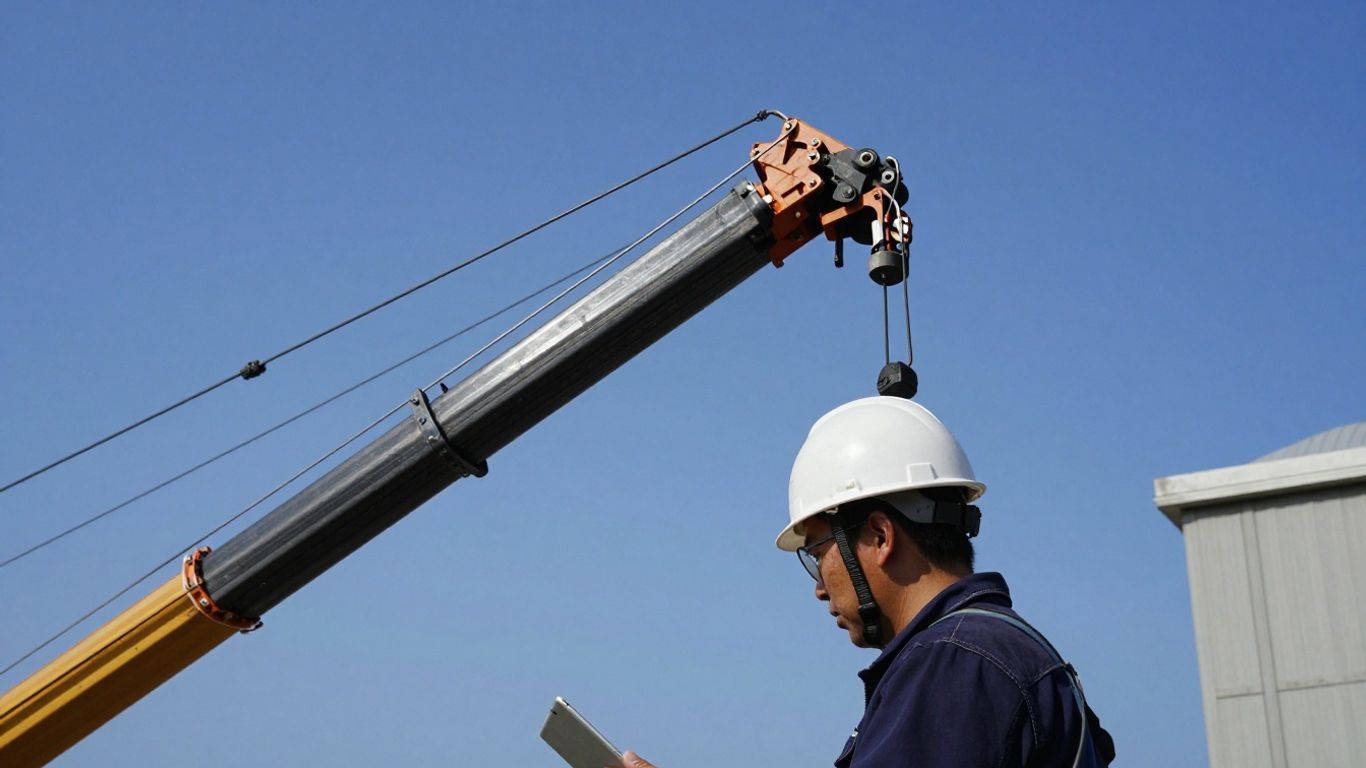
Keeping track of all those crane inspections can feel like a lot, right? It used to mean stacks of paper and a lot of filing. But these days, technology can really help make things simpler and more accurate. Using the right tools means less chance of losing important records and a clearer picture of your equipment’s health.
Streamlining Workflows with Inspection Software
Think about ditching the clipboards and paper forms. Inspection software is designed to make the whole process smoother. You can set up digital checklists that guide inspectors through every step. This means nothing gets missed, and the information is entered consistently every time. It’s like having a super-organized assistant for your inspections.
This software can also help manage your inspection schedule, sending out reminders when a periodic check is due. It keeps all your crane data in one place, making it easy to pull up records when you need them. For businesses looking to meet OSHA requirements, tools like Vector EHS Management can be a game-changer.
Real-Time Data Capture with Mobile Apps
Mobile apps take this a step further. Inspectors can use tablets or smartphones right there on the job site. They can fill out forms, take photos of any issues, and even add notes instantly. This real-time data capture cuts down on errors that happen when you try to transfer information later.
Here’s what you can do with mobile inspection apps:
- Record inspection details as they happen.
- Attach photos or videos to document specific findings.
- Get digital signatures from inspectors and supervisors.
- Access previous inspection reports on the spot.
This immediate feedback loop helps address problems faster, which is always a good thing when it comes to safety.
Ensuring Accurate and Up-to-Date Records
Having accurate records is key. Technology helps make sure your documentation is reliable. Digital systems reduce the chances of lost paperwork or data entry mistakes. This means your inspection logs are always current and correct.
Keeping good records isn’t just about following the rules; it’s about actively managing risks and making sure your equipment is dependable. It builds trust and accountability within your team.
When it comes time for an OSHA inspection or if you need to review a crane’s history, having all this information readily available and organized digitally saves a lot of headaches. It shows you’re serious about safety and compliance.
Wrapping Up: Keeping Your Cranes Safe and Sound
So, we’ve talked a lot about why checking your cranes regularly is a really big deal. It’s not just about following the rules, though that’s definitely important too. It’s really about making sure everyone goes home safe at the end of the day. Using a checklist, whether it’s for a quick daily look or a more in-depth annual check, helps catch problems before they turn into major headaches or, worse, accidents. Think of it like taking your car in for regular service – it keeps things running smoothly and prevents costly breakdowns down the road. By sticking to a routine and documenting what you find, you’re not only keeping your equipment in good shape, but you’re also building a safer workplace for everyone involved. Keep up with those inspections, and your cranes will thank you by working reliably for a long time.
Frequently Asked Questions
Why is it so important to keep records of crane inspections?
Keeping good records is like having proof that you’re taking safety seriously. These documents show that you’re checking your cranes regularly and following the rules. If something bad happens, these records can help show you did your best to keep things safe.
What should I do if I find a problem during a crane inspection?
If you find a problem, you need to write it down right away. The crane shouldn’t be used until the issue is fixed. Once it’s repaired, make sure to note that down in your records too. It’s all about making sure the crane is safe before it’s used again.
Who is allowed to inspect a crane?
For quick daily checks, someone who knows cranes well and can spot problems, called a ‘competent person,’ should do it. For more thorough yearly checks, you usually need a ‘qualified person.’ This is someone with special training, certifications, or lots of experience with cranes.
How often do cranes need to be inspected?
Cranes need different kinds of checks. You should do a quick check every day before using it. Some parts need a more detailed look every month. A full, deep inspection should happen at least once a year. How often you check depends on how much you use the crane and what it does.
What are the most important parts of a crane to check?
You should always check the parts that keep the crane running safely. This includes things like the wire ropes, hooks, brakes, and the control system. Also, look closely at the crane’s main body for any cracks or loose parts. Safety features like limit switches are super important too.
Can I use the same inspection checklist for all my cranes?
While general checklists are a good start, it’s best to also look at the specific instructions from the crane’s maker. Different cranes have different parts and work in different ways. Following the manufacturer’s advice along with the general rules helps make sure you’re checking everything important for that particular crane.