Working with cranes means you really need to know the rules, especially here in the US. OSHA has a lot of say in how these machines are used and, more importantly, how they’re checked. It’s not just about getting the job done; it’s about making sure everyone stays safe. We’re going to break down what you need to know about osha crane inspection requirements, from who does the checking to how often it needs to happen and what exactly they’re looking for. It can seem like a lot, but staying on top of it is key.
Key Takeaways
- OSHA sets the rules for crane safety, including regular inspections, to prevent accidents.
- Inspections are categorized as ‘frequent’ (daily to monthly) and ‘periodic’ (at least annually), with specific requirements for each.
- A ‘competent person’ is required for many inspections, meaning they have the knowledge and training to spot potential problems.
- Detailed records of all inspections, including findings and fixes, must be kept and are subject to OSHA’s retention guidelines.
- Using technology like mobile apps and software can make crane inspections more efficient and accurate, helping meet osha crane inspection requirements in the US.
Understanding OSHA’s Role in Crane Safety
OSHA’s Mandate for Safe Lifting Operations
When you’re working with cranes, especially on big construction projects or in industrial settings, there’s a main agency that lays down the law: OSHA. The Occupational Safety and Health Administration is all about making sure folks don’t get hurt while they’re on the clock. For cranes, this means they have specific rules about how these machines should be used, looked after, and, importantly, inspected. It’s not just about having a crane on site; it’s about making sure it’s safe to operate. OSHA’s primary goal is pretty simple: stop accidents before they happen. They’ve put out regulations, like those found in 29 CFR 1910.179 and 1910.180, that cover a lot of ground. These aren’t just suggestions; they’re requirements meant to keep everyone around the crane safe. This covers everything from how much weight a crane can lift to how often it needs a check-up. Think of it as the basic blueprint for safe operations. If you’re using cranes, you really need to know these rules. You can find more details on OSHA regulations.
The Competent Person for Crane Inspections
One of the key things OSHA talks about is the "competent person." This isn’t just any random person. According to OSHA, a competent person needs to know about crane operations, what the crane’s limits are, and the safety rules that apply. They’re the ones responsible for spotting problems before they turn into major issues. It’s a big responsibility, and picking the right person is super important.
Here’s what makes someone a competent person:
- They must have a good grasp of how cranes work.
- They need to understand the crane’s weight limits.
- They should be familiar with OSHA’s safety standards.
The idea is that someone on-site needs to have the knowledge to say "stop" if something looks unsafe. This person is your first line of defense against potential problems.
Key OSHA Crane Inspection Requirements
OSHA doesn’t just say "inspect your cranes." They actually lay out what needs to be looked at and how often. This usually breaks down into different types of inspections, each with its own focus and frequency. These requirements are designed to catch issues early, whether it’s wear and tear, potential mechanical failures, or just general safety concerns. Keeping up with these inspections is a big part of staying compliant and, more importantly, keeping your crew safe. It’s about being proactive rather than reactive when it comes to crane safety.
Regular and thorough inspections of crane equipment are not optional but rather a necessity for ensuring safety and compliance. Understanding and implementing these inspection protocols can enhance the longevity and reliability of your crane equipment.
Navigating Specific OSHA Crane Inspection Standards
When it comes to keeping cranes safe and sound, OSHA has laid out some pretty clear rules. It’s not just a suggestion; it’s a requirement to make sure these powerful machines don’t become hazards. These standards break down inspections into different categories, depending on the crane’s situation and how much it’s used. Getting a handle on these specific requirements is key to staying compliant and, more importantly, keeping your crew safe.
Initial Inspection Requirements
Any crane that’s brand new, or has had significant modifications or repairs, needs a thorough check before it’s put to work. This initial inspection is all about making sure the crane meets all the safety standards right from the start. It’s like giving a new car a full once-over to catch any factory defects. This inspection confirms that the equipment is ready for service and complies with all relevant OSHA standards for crane inspections.
Frequent Inspection Guidelines
These are the quick, regular checks that should happen daily, or at least before each shift begins. Think of them as the "look and listen" inspections. The focus here is on spotting any obvious problems that could cause immediate danger.
- Visual Checks: Look for any visible damage, loose parts, or wear and tear on critical components.
- Operational Tests: Make sure all controls, like levers and buttons, are working correctly and that safety devices, such as limit switches and alarms, are functioning.
- Fluid Levels: Check that oil and hydraulic fluid levels are where they should be and that there are no obvious leaks.
These frequent inspections are your first line of defense against unexpected failures. They catch small issues before they snowball into major problems.
Periodic Inspection Details
These inspections go a bit deeper than the daily checks and are done less often – maybe monthly or annually, depending on how much the crane is used. They involve a more detailed examination of the crane’s systems and structure.
- Structural Examination: Inspecting the main parts of the crane, like the boom, frame, and supports, for any signs of stress, cracks, or corrosion.
- System Testing: Checking the electrical and hydraulic systems more thoroughly to ensure they are operating efficiently and safely.
- Load Capacity Verification: Confirming that the crane can still handle its rated loads safely, which might involve reviewing maintenance records and performing functional tests.
Load Testing Mandates
Sometimes, OSHA requires specific load tests, especially after major repairs or modifications, or as part of a periodic inspection. This involves lifting a known weight, often a percentage of the crane’s rated capacity, to verify its structural integrity and the proper functioning of its lifting mechanisms under load. The exact requirements and procedures for load testing can vary, so it’s important to consult the specific standards applicable to your crane and its intended use.
The Importance of Qualified Inspectors
When it comes to crane safety, just having someone look at the equipment isn’t enough. OSHA really stresses that the person doing the inspection needs to know what they’re doing. It’s not a job for just anyone; it requires a specific level of knowledge and authority. Think about it – these are massive machines that lift heavy loads. A mistake can be incredibly dangerous, and that’s why having the right eyes on the job is so important.
Who Qualifies as a Competent Person?
OSHA talks a lot about the "competent person." This is someone your employer picks who has a good handle on crane operations, knows the equipment’s limits, and is familiar with the relevant OSHA rules. They’re your go-to person for those quick, daily checks. They can spot obvious issues, like a loose wire or a strange noise, before they turn into bigger problems. They’re the ones who are around the crane regularly and can notice if something just doesn’t look right.
- Knowledge: They understand how the crane works and what it can safely lift.
- Awareness: They can spot hazards and existing conditions that might be unsafe.
- Authority: They have the power to stop work if they see something dangerous happening.
When to Seek External Inspection Expertise
While the competent person handles the day-to-day, there are times when you need someone with even more specialized training. For major inspections, like the annual ones, or if you’re dealing with really complex crane systems, you’ll likely need a "qualified" inspector. These folks have more formal training and a deeper understanding of crane mechanics and all the safety standards. They can really dig into the details and make sure everything is up to snuff according to the regulations. Sometimes, monthly checks on specific parts like hooks or hoist equipment also require this higher level of expertise.
Ensuring Inspector Competency
So, how do you make sure your inspectors are the real deal? It’s not just about having a title. For the "competent person," it means your employer has given them the training and resources they need. For "qualified" inspectors, it often means they have specific certifications or a proven track record with this type of equipment. It’s a good idea to keep records of their training and qualifications, just in case. This isn’t just about ticking a box; it’s about making sure the people checking your cranes actually know what they’re looking for to keep everyone safe.
The person performing the inspection must have the knowledge, experience, and training to identify hazards and assess the condition of the crane. This isn’t a task to be taken lightly, as the safety of everyone on site depends on it.
Essential Components of an Inspection Checklist
Alright, let’s talk about what actually goes on that inspection checklist. It’s not just a random list of things; it’s a structured way to make sure you’re not missing anything important. Think of it as your crane’s health report card. A good checklist covers the big stuff and the little stuff, making sure everything is in working order before it’s called upon to lift something heavy.
Structural Integrity Checks
This is about the bones of the crane. You’re looking for any signs of stress, damage, or wear that could compromise its strength. This includes:
- Frame and Base: Check for cracks, bends, or corrosion, especially around welds and connection points.
- Boom/Mast: Inspect for deformation, cracks, or excessive wear. Pay close attention to sections that extend or retract.
- Sheaves and Rollers: Make sure they aren’t cracked, worn down, or damaged, and that they spin freely.
Operational Controls and Safety Devices
This section focuses on how the crane actually works and the built-in safeguards. If these aren’t right, things can go sideways fast.
- Controls: Test all levers, buttons, and pedals. Do they move smoothly? Do they return to neutral properly?
- Brakes: Check that brakes engage firmly and hold the load. This is non-negotiable.
- Limit Switches: Verify that limit switches for hoist, trolley, and bridge (if applicable) are functioning correctly to prevent over-travel.
- Horn/Alarms: Make sure audible and visual warning signals are working.
Electrical and Hydraulic System Assessments
These systems power the crane, so any issues here can lead to sudden failures.
- Wiring: Look for frayed insulation, loose connections, or signs of overheating.
- Hydraulic Lines: Inspect for leaks in hoses, fittings, and cylinders. Check fluid levels and pressure readings.
- Power Supply: Ensure the electrical connections are secure and the power source is stable.
Hook, Rope, and Chain Condition
These are the direct links to the load. Their condition is critical for a safe lift.
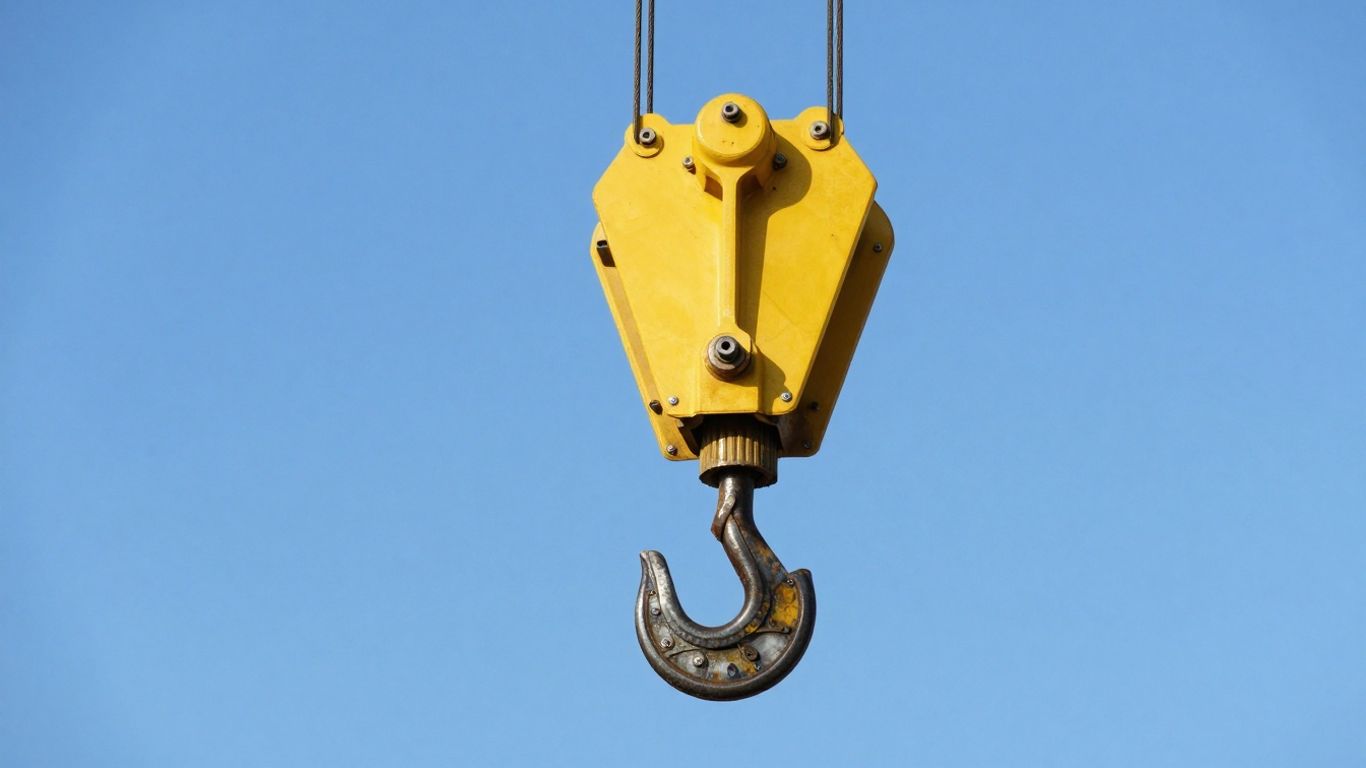
- Hook: Check for cracks, deformation, or excessive wear on the hook itself. Ensure the safety latch is present and working.
- Wire Rope/Chains: Look for broken wires, kinks, corrosion, or stretching in wire ropes. For chains, check for wear, nicks, or damaged links.
A thorough checklist isn’t just about ticking boxes; it’s about actively looking for potential problems. It’s your proactive step against accidents. If you’re new to this, getting some training on what to look for can be a real help, preventing common mistakes that could derail your safety efforts crane certification trainees.
Remember, the goal is to catch issues before they become dangerous failures. A well-documented inspection process, using a detailed checklist, is your best bet for keeping your crane and your crew safe.
Documentation: Your Proof of Compliance
Look, nobody likes paperwork, right? But when it comes to cranes, keeping good records isn’t just busywork – it’s a really big deal. Think of it like a health journal for your crane. It tells you what’s been going on, what’s been fixed, and what might need attention down the road. This isn’t just about following rules; it’s about making sure everyone stays safe.
What Records Must Be Maintained?
When you’re doing an inspection, there are a few key things you absolutely need to write down. Missing even one can cause problems later. It’s like trying to bake a cake without a recipe – you might get something edible, but it probably won’t turn out quite right.
- Date of Inspection: Jot down when the inspection was done. This helps you keep track of your inspection schedule and makes sure you’re not missing any.
- Inspector’s Name: Make sure to note who did the inspection. This keeps things clear and shows who was responsible for checking things out.
- Findings: List any issues, big or small. This is super important so you know what needs fixing and don’t forget about it.
- Corrective Actions: Document any repairs or adjustments made. This shows you’re taking action to fix safety concerns.
Retention Guidelines for Inspection Reports
OSHA has some specific ideas about how long you need to keep these inspection records. Generally, they want to see the records for the last two inspections. This gives them a recent history of the crane’s condition and any fixes. While keeping them forever might seem like a good idea, OSHA’s main goal is to see that you’re actively inspecting and fixing issues. So, make sure those last couple of records are easy to find.
Good documentation is your best friend when it comes to crane safety. It’s not just about passing an inspection; it’s about preventing accidents. If something does go wrong, these records can show that you were doing everything right. It also helps with planning maintenance. If you see a part is showing wear in your records, you can schedule a replacement before it breaks. This saves you money in the long run and, more importantly, keeps people safe. It’s a win-win, really.
Using Documentation to Prevent Future Issues
Keeping these records handy isn’t just for OSHA. It’s your proof that you’re taking crane safety seriously. Plus, it helps you spot patterns – like if a certain part keeps failing, you know to look into it more closely. This proactive approach can save you a lot of headaches and, more importantly, prevent injuries. It’s all about using the information you gather to make smarter decisions about maintenance and operation.
Crane Inspection Frequency: Meeting OSHA’s Schedule
Keeping your cranes in good working order isn’t just about preventing breakdowns; it’s a big part of OSHA’s safety rules. They’ve laid out a schedule for inspections, and sticking to it is key. It’s not a one-size-fits-all thing, either. OSHA divides inspections into two main types: frequent and periodic. Think of it like your car – you check the tire pressure often, but you still need that yearly service.
Daily Checks for Immediate Hazards
These are your quick, "before-we-start-work" checks. The operator or someone on the maintenance team should do these before the crane is used for the day, or even before each shift. The main goal is to spot anything that could cause an immediate problem. You’re looking for obvious stuff:
- Are there any visible cracks, leaks, or signs of excessive wear on critical parts like the hook, ropes, or chains?
- Do all the operating controls and safety devices (like limit switches) seem to be working correctly?
- Are there any unusual noises or vibrations when you test the basic functions?
These frequent, on-the-spot checks are your first line of defense against accidents. They catch the little things before they turn into big, dangerous issues.
Monthly Inspections for Detailed Examination
Moving beyond the daily quick look, monthly inspections get a bit more detailed. These are usually documented and involve a closer look at specific components. While daily checks focus on immediate safety, monthly inspections dig a little deeper into the condition of the equipment.
- Hooks and Hoist Equipment: A more thorough visual check of the hook for cracks, deformation, or wear on the latch. Hoist chains or ropes are also examined for any signs of damage or wear.
- Electrical and Hydraulic Systems: Checking for any signs of corrosion, damage to wiring, or leaks in hydraulic lines and components.
- Braking Systems: A look at the brake system to ensure it’s functioning properly and not showing excessive wear.
Annual Inspections: The Comprehensive Review
This is the big one. The annual inspection is a deep dive into the crane’s overall condition. It needs to be done by a qualified person and is a much more thorough examination than the daily or monthly checks. This is where you really verify the structural integrity and the crane’s ability to handle its rated loads.
- Structural Integrity: A detailed assessment of the crane’s frame, boom, and other structural elements for any signs of fatigue, damage, or deformation.
- Load Testing: Often, this involves a controlled load test to confirm the crane can safely lift its maximum rated load.
- Full System Check: A comprehensive review of all mechanical, electrical, and hydraulic systems, including safety devices, to ensure they meet operational standards and are free from defects.
Specific Requirements for Overhead Cranes and Hoists
Navigating Standards for Overhead Cranes
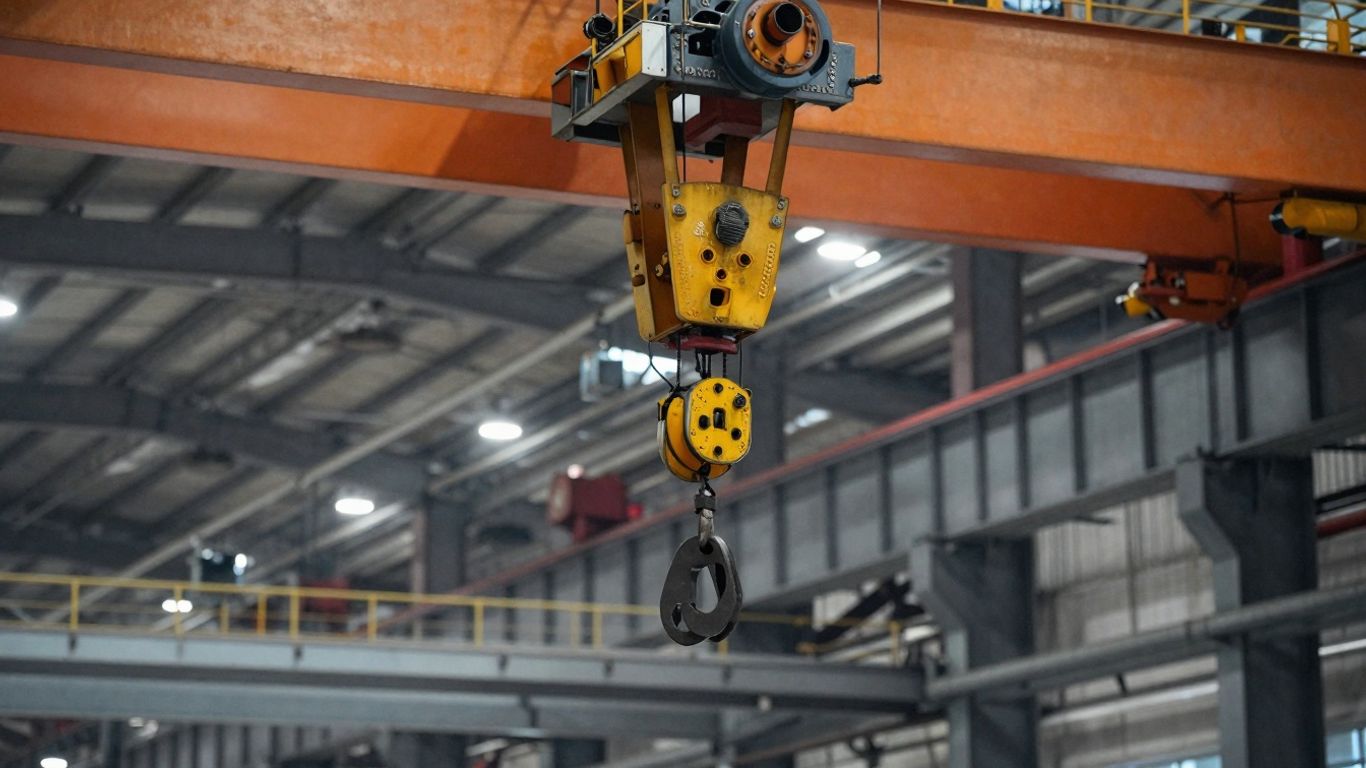
When we talk about overhead cranes and hoists, OSHA has some pretty clear rules, mostly found in 29 CFR 1910.179. It’s not just a quick look-over; it’s about making sure these machines are safe for the long haul. These rules cover how often you need to check things and exactly what to look for. Think of it like a regular tune-up for your car, but for equipment that lifts way more than your groceries.
Ensuring Hoist Safety and Compliance
Hoists, whether they’re part of a bigger overhead crane setup or stand-alone units, need their own special attention. OSHA’s standards apply here too, making sure the lifting parts themselves are in good shape. This means checking the ropes, chains, hooks, and any safety latches. A worn-out chain or a bent hook can quickly turn a normal lift into a big problem, so these checks are really important.
Checklist Essentials for Overhead Crane Inspections
To keep things organized and make sure nothing gets missed, using a checklist is the way to go. OSHA requires both frequent and periodic inspections, and a good checklist helps you cover all the bases for both. Here’s a look at what typically goes into an inspection checklist:
- Daily/Pre-Shift Inspections:
- Visual check of the crane structure and components.
- Operational check of all movement controls (trolley, bridge, hoist).
- Verification of safety devices like limit switches and brakes.
- Monthly Inspections:
- Examination of mechanical components for wear and tear.
- Assessment of hydraulic and pneumatic systems for leaks or pressure issues.
- Inspection of electrical systems, including wiring and connections.
- Annual (Periodic) Inspections:
- Thorough structural examination for any signs of damage or fatigue.
- Review of load testing records and performance.
- Detailed check of the hook, block, and rigging.
A well-structured crane inspection checklist helps ensure that all aspects of the crane’s operation and safety features are examined regularly. It standardizes the inspection process, making it easier to identify and address potential issues before they lead to accidents or equipment failure.
Maintenance and Repairs Following Inspections
So, you’ve gone through the inspection process, and maybe you found a few things that need attention. That’s actually a good thing! Catching issues early is way better than waiting for something to break down when you least expect it. The key here is to act on what you find.
Addressing Identified Issues Promptly
Once an inspection flags a problem, whether it’s a worn cable, a leaky hydraulic line, or a sticky control, you can’t just put a sticky note on it and hope for the best. OSHA expects you to deal with these things. The sooner you get it fixed, the less chance there is of that small issue turning into a big, expensive, and potentially dangerous problem. Think of it like going to the doctor for a check-up; if they find something, you want to get it treated right away, not wait until you’re really sick.
- Prioritize Safety Concerns: Anything that directly impacts the safe operation of the crane, like brake issues or structural cracks, needs to be fixed before the crane is used again.
- Schedule Non-Critical Repairs: For less urgent issues, make sure they’re added to your maintenance schedule. Don’t let them slip through the cracks.
- Document the Fix: Just as important as finding the problem is recording that you fixed it. This is part of your compliance paperwork.
The Role of Qualified Technicians
When it comes to fixing cranes, you don’t want just anyone tinkering with it. These are complex machines, and improper repairs can create new hazards. You need people who know what they’re doing. This usually means:
- Manufacturer-Trained Staff: Technicians who have specific training from the crane manufacturer often have the best understanding of the equipment.
- Certified Mechanics: Look for mechanics with certifications related to heavy equipment or crane repair.
- Experienced Personnel: Even without formal certifications, individuals with a long history of working on and repairing cranes can be highly valuable.
Using Manufacturer-Approved Parts and Procedures
This is a big one. When you’re replacing a part or performing a repair, stick to what the crane maker recommends. Using generic or incorrect parts can compromise the crane’s integrity and performance. It’s like using the wrong kind of screws to put together a piece of furniture – it might hold for a bit, but it’s not going to be as sturdy or safe as it should be.
Sticking to manufacturer guidelines for parts and repair methods isn’t just about following the rules; it’s about maintaining the crane’s original design integrity and ensuring it operates as safely and reliably as intended. Cutting corners here can lead to unexpected failures and put people at risk.
Here’s a quick look at what to keep in mind:
| Component Type | What to Use |
|---|---|
| Replacement Parts | OEM (Original Equipment Manufacturer) parts |
| Lubricants | Specified by manufacturer for type and grade |
| Repair Procedures | Follow manufacturer’s service manuals |
| Welding/Fabrication | Use approved materials and techniques |
| Software/Electronics | Use manufacturer-diagnosed tools and updates |
Leveraging Technology for Crane Inspections
Remember when doing inspections meant lugging around clipboards and stacks of paper? Those days are fading fast. Mobile apps are changing the game for crane inspections. Instead of scribbling notes that might get lost or smudged, inspectors can now use their phones or tablets to log findings right on the spot. This means less chance of mistakes and a much quicker turnaround for reports. It’s like having a digital assistant that helps you keep track of everything.
Streamlining Workflows with Inspection Software
Beyond just mobile apps, there’s a whole world of crane inspection software out there. Think of it as a central hub for all your inspection data. This kind of software can help you manage your entire inspection schedule, track the history of each crane, and even flag recurring problems. It makes it easier to see the big picture of your fleet’s safety and maintenance status. For example, you can easily see when the next annual inspection is due for a specific crane, or pull up all the past reports for a particular piece of equipment. This kind of organized information is a lifesaver when it comes to staying compliant and planning maintenance. It can also help you identify trends, like if a certain part seems to be failing more often than it should. This kind of insight is gold for preventing future issues and keeping your operations running smoothly.
Real-Time Data Capture with Mobile Apps
The biggest win with technology is getting information as it happens. When an inspector finds something, logging it immediately means the data is fresh and accurate. No more waiting until the end of the day to try and remember exactly what you saw. This real-time approach is key for safety. If a critical issue is found, management can be notified right away, allowing for quick repairs before an accident can occur. It also helps with accountability, as the system logs who performed the inspection and when. This level of detail is what OSHA looks for, and it just makes good sense for keeping everyone safe on the job site.
Here’s what mobile apps can do for you:
- Capture photos of any issues directly within the app.
- Access digital checklists tailored to specific crane types.
- Instantly share inspection reports with supervisors or maintenance teams.
Enhancing Overall Safety Management
Using these tools helps make sure that no detail gets overlooked, which is pretty important when you’re dealing with heavy machinery. Keeping detailed records of all inspections is not just a good idea; it’s a requirement. These records show that you’re taking safety seriously and help track any issues over time. If something does go wrong, these logs can be invaluable. Remember, the goal is to catch potential problems before they become actual hazards. Regular, thorough inspections are key to keeping your overhead cranes and hoists running safely and reliably.
Technology in crane inspections isn’t just about making things faster; it’s about making them more accurate, more organized, and ultimately, safer. It helps bridge the gap between what’s required and what’s actually happening on the ground, providing a clear picture of your equipment’s health and compliance status.
Benefits of Adhering to OSHA Crane Inspection Standards
So, why go through all the trouble of regular crane inspections and making sure you’re following OSHA’s rules to the letter? It really boils down to a few big wins that impact your business directly. It’s not just about avoiding a fine, though that’s definitely a perk. It’s about making sure your worksite is a place where people can actually go home safe at the end of the day.
Reducing Workplace Accidents and Injuries
This is the big one, right? When you’re diligent about inspections, you’re catching problems before they turn into disasters. Think about it: a worn cable, a faulty brake, a cracked weld – these are the kinds of things that can lead to serious accidents. By having a competent person regularly checking things over, you’re essentially putting a safety net in place. This means fewer people getting hurt, less downtime due to injuries, and a generally safer environment for everyone operating around heavy machinery.
- Catching structural weaknesses before they fail.
- Identifying issues with safety devices like limiters and alarms.
- Spotting wear and tear on critical components like hooks and ropes.
Regular, thorough inspections are your best bet for preventing catastrophic equipment failures and the injuries that come with them. It’s proactive safety at its finest.
Maintaining Operational Efficiency
It might seem counterintuitive, but taking equipment out of service for inspections actually helps keep things running smoothly in the long run. When a crane is well-maintained and its components are in good working order, it’s going to perform better. You’ll experience fewer unexpected breakdowns, which can bring a whole project to a halt. Plus, when operators know their equipment is safe and reliable, they can work with more confidence and focus, leading to better productivity. It’s about keeping your workflow predictable and avoiding costly, unplanned interruptions.
Demonstrating Commitment to a Safe Workplace
Following OSHA standards isn’t just about ticking boxes; it shows your employees, clients, and any regulatory bodies that you take safety seriously. This builds trust and a positive reputation. When workers see that their employer invests time and resources into maintaining safe equipment, it boosts morale and encourages a culture where safety is a shared responsibility. It also means you’re less likely to face penalties or legal issues down the line, which can be a huge drain on resources and reputation.
- Improved employee morale and trust.
- Enhanced company reputation in the industry.
- Reduced risk of fines and legal entanglements.
Wrapping It Up
So, keeping those cranes in good shape according to OSHA rules isn’t just about avoiding trouble with the inspectors. It’s really about making sure everyone goes home safe at the end of the day. Regular checks, done by someone who knows their stuff, can catch problems before they turn into big, dangerous issues. It might seem like a hassle to keep up with all the paperwork and schedules, but honestly, it pays off. A well-maintained crane means fewer accidents, less downtime, and a smoother operation overall. If you’re feeling overwhelmed by it all, remember there are folks out there who can help make sure you’re covered. Don’t let it slide – safety first, always.
Frequently Asked Questions
What exactly does OSHA want us to do with cranes?
OSHA is the government agency that makes sure jobs are safe. For cranes, they want them checked often to make sure they don’t break and hurt anyone. They have rules about how to check them and who should do the checking.
Who is a ‘competent person’ for crane checks?
A ‘competent person’ is someone who really knows how cranes work, what they can lift safely, and OSHA’s rules. They are the ones who can spot problems and say if a crane is too risky to use.
How often do cranes need to be inspected?
Cranes need checks very often, like every day or before each use, to catch small issues. They also need more thorough checks every month and a big, detailed check at least once a year. The exact timing can depend on how much the crane is used.
What’s the difference between a ‘frequent’ and a ‘periodic’ inspection?
A ‘frequent’ inspection is a quick look to make sure everything basic is working okay and there are no obvious dangers. A ‘periodic’ inspection is a much deeper look at all the parts, often done by a special inspector, to make sure the crane is in good shape overall.
Do I have to keep records of crane inspections?
Yes, absolutely! You need to write down everything you find during inspections and what you did to fix any problems. OSHA might want to see these records to prove you’re following the rules.
What about overhead cranes and hoists? Are the rules different?
Overhead cranes and hoists have their own specific rules, but they are part of OSHA’s overall plan for crane safety. You still need to inspect them regularly, paying attention to things like chains, hooks, and how they move.
What if we find a problem during an inspection?
If you find a problem, you need to fix it right away. The repairs should be done by someone who knows what they’re doing, and they should use the right parts and methods recommended by the crane maker.
Can technology help with crane inspections?
Yes! Using apps on phones or computers can make inspections easier. You can take pictures, fill out forms right away, and keep all the inspection information organized in one place, which helps make sure you don’t miss anything.