
So, you’re working with cranes and wondering about the wind. It’s a big deal, honestly. These massive machines are amazing, but they’re not immune to what nature throws at them. Ignoring wind can lead to dropped loads, damaged equipment, or worse, injuries. We need to talk about crane wind speed limits because safety on the job site is everything. It’s not just about following rules; it’s about making sure everyone goes home safe at the end of the day. Let’s break down when the wind gets too much and work needs to stop.
Key Takeaways
- Always check the crane manufacturer’s manual for specific wind speed limits. These are usually the most reliable numbers to follow.
- Generally, if wind speeds hit around 20 mph or higher, it’s time to seriously think about stopping work. Gusts are especially tricky.
- Different types of cranes, like mobile versus tower cranes, have different wind tolerances. A taller crane might need to stop earlier than a shorter one.
- Factors like the size and shape of the load, and how high you’re lifting it, can make wind more dangerous, even below the general stop limit.
- Having a plan for windy days, using tools to measure wind in real-time, and making sure everyone on the crew knows when to stop is super important for safety.
Understanding Crane Wind Speed Limits
Working with cranes means dealing with the weather, and wind is a big one. You can’t just ignore it; it’s a serious safety issue. Cranes are tall, they lift heavy stuff, and wind can really mess with that. Think of a crane boom like a giant sail. When the wind picks up, it can push the load around, make it swing, or even make the whole crane unstable. It’s super important to know when the wind is too much to work safely.
Why Wind Speed Matters for Crane Operations
Wind affects cranes in a few key ways. First off, it pushes against the crane itself and whatever it’s lifting. The bigger the surface area of the load, the more the wind can grab it. This can cause the load to sway or spin unexpectedly. Also, wind speed usually gets stronger the higher you go. So, a lift happening way up in the air is going to feel more wind than one closer to the ground. This means you have to be extra careful with high lifts.
Here’s a general idea of how wind can affect things:
- Light Breeze (0-12 mph): Usually okay for most lifts, but still good to keep an eye on.
- Moderate Wind (13-31 mph): Time to pay closer attention. You might need to adjust your lift plan, especially if the load is large or you’re lifting high.
- Strong Wind (32+ mph): This is where things get risky. It’s generally time to stop operations to avoid accidents.
Ignoring wind can lead to dropped loads, damaged equipment, project delays, and worst of all, injuries or fatalities. It’s not worth the risk.
General Wind Speed Guidelines for Crane Use
While every crane is different, there are some general rules of thumb that most people follow. These are good starting points, but remember, they aren’t a substitute for the specific instructions for your crane. You’ll often see limits around 20-29 mph for mobile cranes, and maybe a bit higher for tower cranes, like 40-45 mph. But again, always check the manual. It’s also worth noting that wind gusts can be much more dangerous than steady wind, so keep an eye on those too. You can find more details on operating crawler cranes in high winds which often have specific limits.
The Impact of Wind on Crane Stability
When wind hits a crane, it creates forces that can reduce the crane’s lifting capacity. The crane has to use some of its strength just to stay steady against the wind. This means it can’t lift as much as it could on a calm day. The higher the wind speed, the less the crane can safely lift. This is why it’s so important to know the wind limits for your specific crane and lift. Don’t guess; know the numbers.
Factors Influencing Safe Wind Speeds
So, we know wind is a big deal for cranes, but it’s not just a simple ‘windy or not windy’ situation. A bunch of things change how much wind a crane can handle safely. It’s like how a light breeze feels different on a bike versus in a convertible – the shape and speed matter.
Crane Type and Configuration
Not all cranes are built the same, and this really affects their wind limits. A big, tall tower crane is going to react differently to wind than a mobile crane that can be moved around. The way a crane is set up, like how much of its boom is extended or if it’s using outriggers, also plays a huge role in its stability. Think of it like a tall, skinny vase versus a short, wide one – the shape makes a difference in how easily it can tip over.
- Boom Length: Longer booms catch more wind and create more leverage, making the crane more susceptible to wind forces.
- Crane Size and Weight: Heavier, larger cranes generally have a higher wind tolerance, but their sheer size can also present a larger surface area for the wind to act upon.
- Configuration: Whether a crane is on tracks, outriggers, or wheels, and how those are deployed, significantly impacts its base stability against wind.
Load Characteristics and Lift Height
What you’re lifting and how high you’re lifting it are also super important. A big, flat sheet of metal will catch way more wind than a compact, heavy box. And remember, wind speeds usually pick up the higher you go. So, lifting something heavy way up in the air on a windy day is a much trickier situation than a low, close lift.
- Load Surface Area: Large, flat loads act like sails. The more surface area exposed to the wind, the more force it exerts on the load and the crane.
- Load Weight: While heavier loads are generally more stable, the wind’s force can still cause them to sway or swing, especially if they have a large surface area.
- Lift Height: Wind speed typically increases with altitude. A lift at 200 feet will experience stronger winds than a lift at 50 feet, requiring a more conservative approach.
Site-Specific Wind Patterns
Wind isn’t the same everywhere. You might have a site that’s usually pretty calm, but then there’s a spot near a tall building or a natural wind tunnel that gets really gusty. It’s not just about the average wind speed; it’s about those sudden gusts and how the wind behaves in the specific area where the crane is working. Sometimes, a weather report for the general area might not tell the whole story for your exact job site.
Understanding these site-specific patterns is key. A crane might be rated for a certain wind speed, but if your particular location is known for unpredictable gusts or wind funneled between structures, you might need to stop operations at a lower wind speed than the manufacturer’s general recommendation.
Here’s a quick look at how different factors can affect wind limits:
| Factor | Impact on Wind Limit |
|---|---|
| Longer Boom | Decreases safe wind speed |
| Larger Load Surface | Decreases safe wind speed |
| Higher Lift Height | Decreases safe wind speed |
| Heavier Load | Can increase stability, but sway is still a risk |
| Gusty Wind Conditions | Significantly decreases safe wind speed and predictability |
| Crane Type (e.g., Tower) | Varies; often higher limits than mobile cranes, but still susceptible |
When to Halt Crane Operations
Figuring out when to stop working with a crane because of the wind isn’t always a clear-cut decision. It’s a mix of following the rules, knowing your equipment, and just using your best judgment. Safety always comes first, no matter what. If there’s any doubt, it’s better to wait it out.
Manufacturer’s Specifications and Recommendations
Every crane is built with specific limits in mind, and the people who made it know best. They provide manuals that tell you exactly how much wind the crane can handle. It’s not just a suggestion; it’s a safety guideline. Ignoring these limits can lead to serious problems, like the crane becoming unstable or even damaged. So, always check that manual – it’s your first line of defense.
Recognizing High Wind Conditions
Knowing what
Crane-Specific Wind Thresholds
Mobile and Crawler Crane Limits
Mobile and crawler cranes, while offering flexibility, have specific wind limits that operators need to be keenly aware of. These limits can change based on how the crane is set up, like the length of the boom extended and the amount of counterweight used. Generally, lifting operations for mobile cranes are advised to stop when wind speeds hit around 20-25 mph (32-40 kph). Crawler cranes, despite their stable base, are also sensitive, especially to gusts, and often have a similar stopping point around 25 mph (40 kph).
- Boom Length: Longer booms mean more surface area exposed to the wind, increasing the risk of sway and instability.
- Load Size: Larger, flatter loads act like sails, catching more wind and making them harder to control.
- Counterweight: Proper counterweight is vital for stability, but even with the right amount, high winds can overcome it.
It’s not just about the steady wind; sudden gusts are a major concern. A strong gust can destabilize a crane much faster than a steady breeze.
Tower and Luffing Jib Crane Considerations
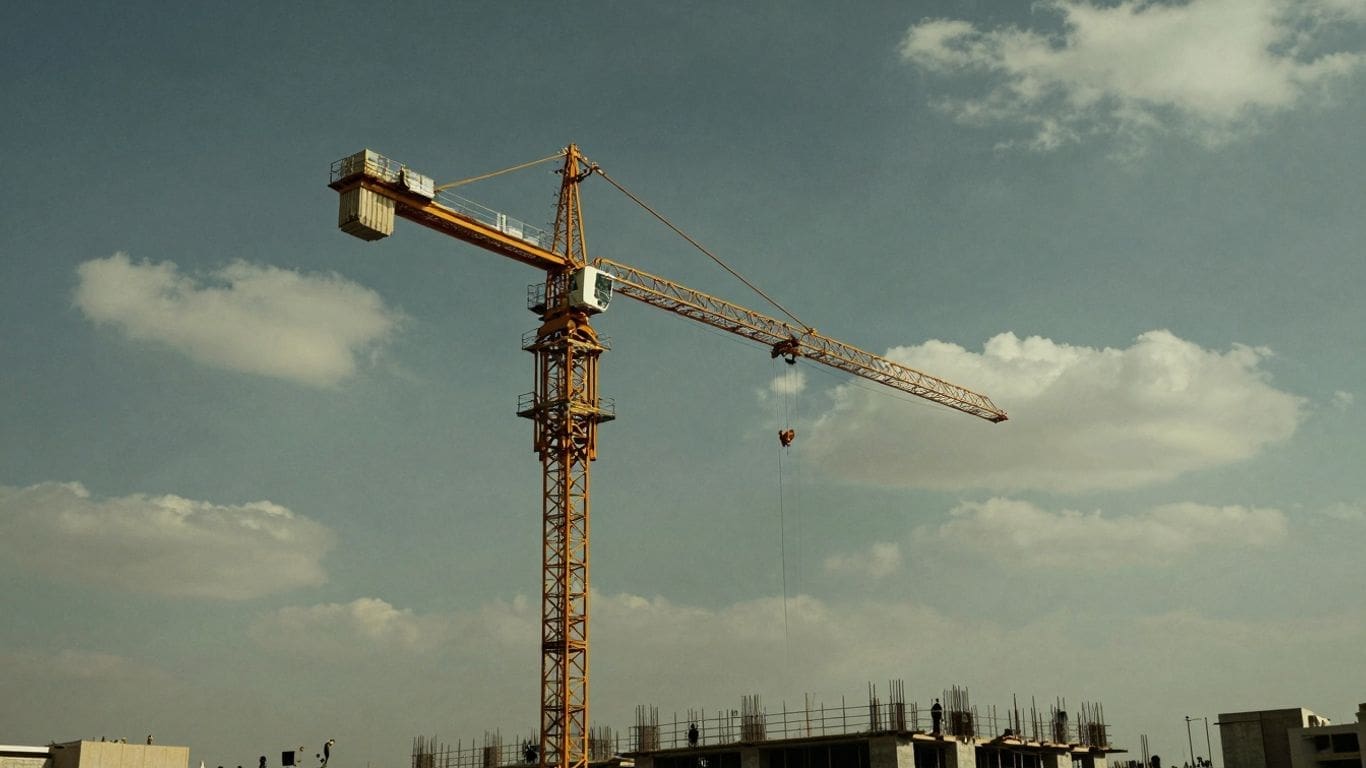
Tower cranes and luffing jib cranes are tall structures, making them quite susceptible to wind. Their design means they can experience significant bending forces when the wind blows. For tower cranes, operations typically need to halt when wind speeds reach about 38-45 mph (61-72 kph). When not in use, these cranes are often allowed to ‘weather vane,’ meaning they can rotate freely with the wind to reduce stress on the structure.
Luffing jib cranes, with their angled jibs, also have specific wind considerations. The angle of the jib can affect how it interacts with the wind. Always check the manufacturer’s manual for the exact limits, as these can vary.
Overhead and Marine Crane Precautions
Overhead cranes used indoors are usually not affected by wind, which is a big plus. However, outdoor gantry cranes are a different story. For these, wind limits are often similar to other outdoor cranes, typically stopping operations around 20-25 mph (32-40 kph).
Marine cranes, working on barges or ships, face the added challenge of movement from waves and the vessel itself. This means their wind limits are often stricter, sometimes as low as 20 mph (32 kph), especially if the water is rough. The instability of the platform adds another layer of risk that needs careful management.
Remember, these are general guidelines. The most important document is always the crane’s specific operation manual provided by the manufacturer. It contains the definitive safe operating limits for that particular machine.
Best Practices for Windy Conditions
Working with cranes when the wind picks up can feel a bit dicey, but having a solid plan makes a huge difference. It’s all about being prepared and knowing when to push a little and when to just call it a day.
Pre-Lift Planning and Forecasting
Before you even think about starting a lift, you’ve got to check the weather. Don’t just glance at the forecast; really look at it. You want to know what the wind is expected to do not just for the next hour, but for the whole shift. Planning your lifts for the calmer parts of the day is smart. Also, have a backup plan in case the wind decides to get feisty. This means thinking about what you’ll do if conditions worsen unexpectedly.
- Review both short-term and long-term weather predictions.
- Schedule lifts during periods of expected lower wind speeds.
- Develop contingency plans for sudden wind increases.
- Always have a plan B ready to go.
Real-Time Wind Monitoring Tools
Looking at a forecast is one thing, but seeing what the wind is doing right now at crane height is another. That’s where real-time monitoring tools come in handy. Having an anemometer on site, ideally at the crane’s working height, gives you the most accurate picture. This live data is super important for making quick, safe decisions. Some tools even give visual or audible alerts when the wind hits certain speeds, which is a nice heads-up for everyone involved. Knowing the exact wind speed is key to making safe decisions based on crane operation wind limits.
Clear Communication and Decision Authority
When the wind is a factor, everyone on the crew needs to be on the same page. Clear communication channels are a must. This means having standard procedures for wind alerts and making sure everyone knows what they mean. Most importantly, the crane operator needs to have the final say on whether a lift is safe to proceed or needs to stop. They shouldn’t feel pressured to keep working if they think it’s too windy. Giving them that authority makes the whole operation safer because they can react quickly to changing conditions.
When wind conditions are questionable, it’s always better to pause operations. Safety should never be rushed, and a short delay is far better than dealing with an accident. Remember, the manufacturer’s recommendations are there for a reason, and they often provide the safest thresholds to follow.
Here’s a quick rundown of what to keep in mind:
- Know your limits: Always refer to the crane manufacturer’s specifications for wind speed limits.
- Watch for gusts: Sudden increases in wind speed can be more dangerous than steady winds.
- Consider the load: Lighter or larger surface area loads are more affected by wind.
- Height matters: Wind speed generally increases with altitude.
- Communicate: Keep all team members informed about wind conditions and any operational changes.
Navigating Wind When Working
Strategies for Mildly Windy Conditions
Sometimes, you just have to keep working even when the wind isn’t cooperating perfectly. It’s not always a clear-cut ‘stop everything’ situation. When the breeze picks up a bit, but isn’t quite at the danger zone, there are smart ways to adjust your approach. The key is to be proactive and make small changes to manage the increased wind forces.
- Lower the Lift Height: Keeping the load closer to the ground means less exposure to stronger winds that are often found higher up. Think of it like sailing – a lower sail catches less wind.
- Reduce the Angle of the Lift: If possible, try to keep the load directly below the crane’s center of gravity. This minimizes sideways forces that wind can exert.
- Plan for Calmer Periods: If you know a windy spell is coming, try to schedule your more sensitive lifts for when the weather is expected to be better. It’s always easier to work with the wind than against it.
Adjusting Lift Parameters
When the wind starts to nudge things around, you might need to tweak how you’re doing the lift. It’s about making the operation more stable and predictable.
- Slow Down: Moving the load more slowly reduces the dynamic forces that wind can act upon. Jerky movements can make a load swing unpredictably.
- Consider Load Size and Shape: A large, flat load will catch more wind than a compact, heavy one. You might need to be more conservative with your lift parameters for these types of loads.
- Re-evaluate the Lift Path: Think about where the wind is coming from and how it might affect the load as it moves. Can you adjust the path to minimize exposure to gusts?
Even when the wind isn’t extreme, it’s constantly interacting with the load and the crane. Being aware of this interaction and making small adjustments can prevent bigger problems down the line. It’s all about staying in control.
Using Tag Lines for Load Control
Tag lines are your best friends when the wind starts to play games with your load. These are basically ropes attached to the load that ground crew can use to help guide and stabilize it.
- Proper Attachment: Make sure tag lines are securely attached to the load at points that allow for good control without snagging.
- Tension Management: The crew handling the tag lines needs to apply steady, controlled tension. Too much tension can be as bad as too little. They should work together to keep the load steady.
- Communication is Key: The tag line crew needs to be in constant communication with the crane operator. They are the eyes and hands on the ground, helping to counteract wind effects.
| Wind Condition | Strategy | Tag Line Use |
|---|---|---|
| Light Breeze (5-12 mph) | Proceed with caution, monitor load swing. | Useful for minor adjustments and preventing initial drift. |
| Moderate Wind (13-24 mph) | Slow down movements, reduce lift height if possible. | Essential for controlling load sway and guiding. |
| Strong Gusts (25+ mph) | Halt operations or secure load. | Not recommended for active control; focus on securing the load. |
So, What’s the Takeaway?
Alright, so we’ve talked a lot about wind and cranes. It’s pretty clear that wind isn’t just a little annoyance on a job site; it can seriously mess things up if you’re not careful. Remember, every crane is different, and the manufacturer’s instructions are your best friend here. Don’t just guess. Keep an eye on the wind, know your limits – usually around 20 mph is a good point to start thinking about stopping, especially with tricky loads. If you’re ever unsure, just wait it out. Seriously, a little delay is way better than a big accident. Safety first, always.
Frequently Asked Questions
Why is wind a big deal for cranes?
Cranes are like giant sails when they’re lifting things. Wind can push the load around, make the crane unsteady, and even cause it to tip over. It’s super important to stop working when it gets too windy to keep everyone and everything safe.
Is there one wind speed that’s bad for all cranes?
Nope! Every crane is different. The maker of the crane usually says how much wind it can handle. Bigger cranes with longer arms can usually take a bit more wind, but it’s always best to check the crane’s specific rules.
When should I definitely stop using a crane because of wind?
A good rule of thumb is to stop if the wind speed goes over 20 miles per hour, especially if it’s gusty. If the wind is really strong, like over 30 mph, you absolutely must stop all lifting.
What if the wind is just a little bit windy, not super strong?
Even in lighter winds, you need to be careful. Things like how big and flat the load is, how high you’re lifting it, and the type of crane all matter. It’s often safer to lift loads lower to the ground or use ropes called ‘tag lines’ to help control the load.
How do I know what the wind is doing right now?
You need tools to check the wind speed as it’s happening! Many sites use special wind meters called anemometers. It’s also smart to check the weather forecast before you even start working.
Who decides if it’s too windy to work?
The crane operator is the main person who decides. They have the final say on whether it’s safe to lift or if work needs to stop, no matter what anyone else says. It’s their job to make sure everyone stays safe.